A Purified Water System in Pharma is one of the most critical utility systems used in pharmaceutical manufacturing. Water is the most widely used raw material in the pharmaceutical industry, making its quality essential for producing safe, effective, and high-quality medicines. Whether it is used in manufacturing oral liquid formulations, equipment cleaning, laboratory testing, or utility operations, purified water must consistently meet stringent pharmacopeial standards.
A Purified Water System in Pharma is specifically designed to remove physical impurities, dissolved salts, microorganisms, organic compounds, endotoxins, and other contaminants from raw water. The system continuously produces, stores, and distributes purified water while maintaining its quality throughout the manufacturing process. Every stage of the system is carefully engineered to prevent contamination and ensure compliance with Good Manufacturing Practice (GMP) guidelines.
Modern pharmaceutical industries use advanced purification technologies such as reverse osmosis (RO), electrodeionization (EDI), ultrafiltration (UF), ultraviolet (UV) sterilization, and ozone sanitization to produce high-quality purified water. These technologies work together to provide water that complies with international pharmacopeias such as the United States Pharmacopeia (USP), Indian Pharmacopoeia (IP), European Pharmacopoeia (EP), and Japanese Pharmacopoeia (JP).
Since purified water directly affects product quality, regulatory authorities including the USFDA, WHO, MHRA, and EMA require pharmaceutical manufacturers to validate, monitor, and maintain their purified water systems. Regular testing of conductivity, Total Organic Carbon (TOC), microbial count, and system performance ensures that the water remains suitable for pharmaceutical use.
In this comprehensive guide, you will learn everything about the Purified Water System in Pharma, including its working principle, components, water generation process, storage and distribution system, sanitization methods, validation, GMP requirements, applications, maintenance, and common interview questions.
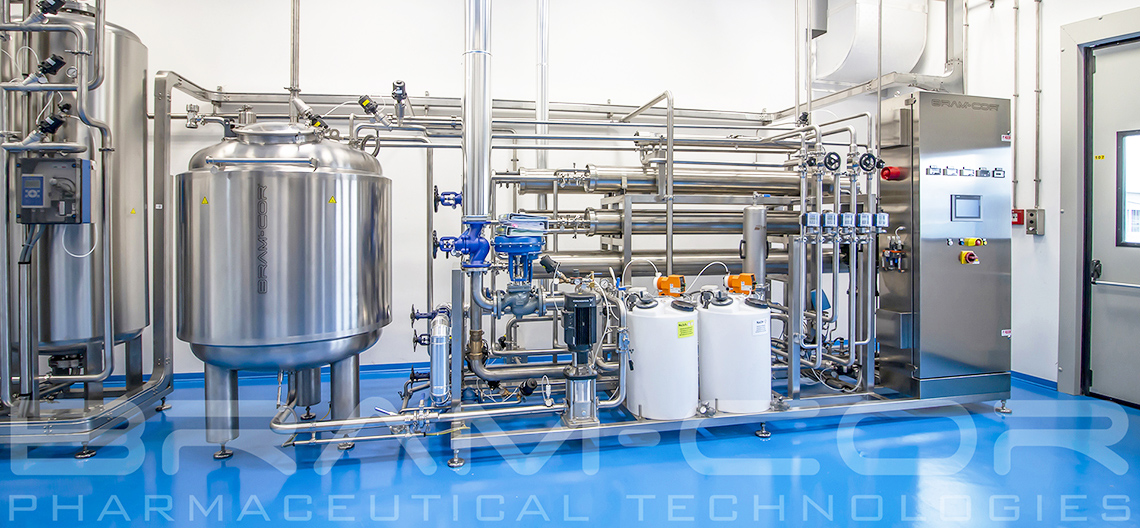
What is a Purified Water System in Pharma?
A Purified Water System in Pharma is a specially designed water purification and distribution system that produces purified water meeting pharmaceutical quality standards for manufacturing, cleaning, laboratory testing, and other pharmaceutical applications.
Unlike ordinary drinking water, purified water undergoes several treatment processes to remove suspended particles, dissolved minerals, microorganisms, organic impurities, and other contaminants. The entire system is designed to ensure that purified water maintains its quality from the point of generation until it reaches the point of use.
A pharmaceutical purified water system generally consists of three major sections:
- Pretreatment System
- Purification System
- Storage and Distribution System
These sections work together to continuously supply purified water while preventing contamination and maintaining regulatory compliance.
Why is Purified Water Important in Pharmaceutical Industry?
Water is considered one of the most important raw materials in pharmaceutical manufacturing. Since it comes into direct or indirect contact with products, equipment, and manufacturing processes, its quality significantly impacts product safety and effectiveness.
A Purified Water System in Pharma plays a vital role in ensuring that only high-quality water is used throughout the facility.
The major reasons purified water is important include:
1. Product Quality
Pharmaceutical products are highly sensitive to contaminants. Impurities present in water may affect the stability, potency, appearance, and shelf life of medicines.
Using purified water helps maintain consistent product quality throughout the manufacturing process.
2. Patient Safety
Microbial contamination or chemical impurities in water may lead to unsafe pharmaceutical products.
A properly maintained Purified Water System in Pharma protects patient health by supplying water that meets pharmacopeial specifications.
3. GMP Compliance
International regulatory agencies require pharmaceutical manufacturers to use validated purified water systems.
Compliance with GMP ensures that water quality remains consistent during production.
4. Equipment Cleaning
Purified water is widely used for cleaning manufacturing equipment, pipelines, reactors, tanks, and process vessels.
Proper cleaning reduces contamination risks and supports validation activities.
5. Laboratory Applications
Quality Control laboratories use purified water for:
- Sample preparation
- Chemical analysis
- Instrument cleaning
- Reagent preparation
Reliable laboratory results depend on high-quality purified water.
Read more
What is P&ID in Pharmaceutical Industry?
Process Flow Diagram (PFD) vs P&ID Explained
HVAC System in Pharmaceutical Industry
Types of Pharmaceutical Water
Different pharmaceutical applications require different grades of water.
1. Potable Water
Potable water is ordinary drinking water supplied by municipal authorities.
It serves as the feed water for pharmaceutical water treatment systems.
Typical uses include:
- Utility purposes
- Initial washing
- Pretreatment feed water
However, potable water cannot be used directly for pharmaceutical manufacturing.
2. Purified Water (PW)
Purified Water is produced from potable water using suitable purification processes such as Reverse Osmosis (RO), Electrodeionization (EDI), Distillation, or other approved methods.
It is commonly used for:
- Oral liquid manufacturing
- Syrup production
- Equipment cleaning
- Laboratory testing
- Buffer preparation
- Utility applications
Purified Water must comply with the chemical and microbiological requirements specified in pharmacopeias.
3. Water for Injection (WFI)
Water for Injection (WFI) is the highest quality pharmaceutical water.
Compared with purified water, WFI has much stricter microbiological and endotoxin limits.
It is used for:
- Injectable products
- Sterile products
- Final equipment rinsing
- Sterile manufacturing
WFI systems require more stringent monitoring and validation than purified water systems.
Difference Between Purified Water and Water for Injection
| Parameter | Purified Water | Water for Injection |
|---|---|---|
| Quality | High | Highest |
| Endotoxin Requirement | Not Required | Required |
| Sterility | Not Sterile | Used for Sterile Products |
| Main Applications | Oral Products, Cleaning | Injectable Products |
| Production Method | RO, EDI, Distillation | Distillation or Membrane-Based Systems (where permitted) |
Water Quality Standards
A Purified Water System in Pharma must consistently meet international pharmacopeial standards.
Common standards include:
- USP (United States Pharmacopeia)
- IP (Indian Pharmacopoeia)
- EP (European Pharmacopoeia)
- JP (Japanese Pharmacopoeia)
Typical quality parameters include:
- Conductivity
- Total Organic Carbon (TOC)
- Microbial Count
- pH (where applicable)
- Appearance
- Chemical Purity
Regular monitoring of these parameters ensures that purified water remains suitable for pharmaceutical use.
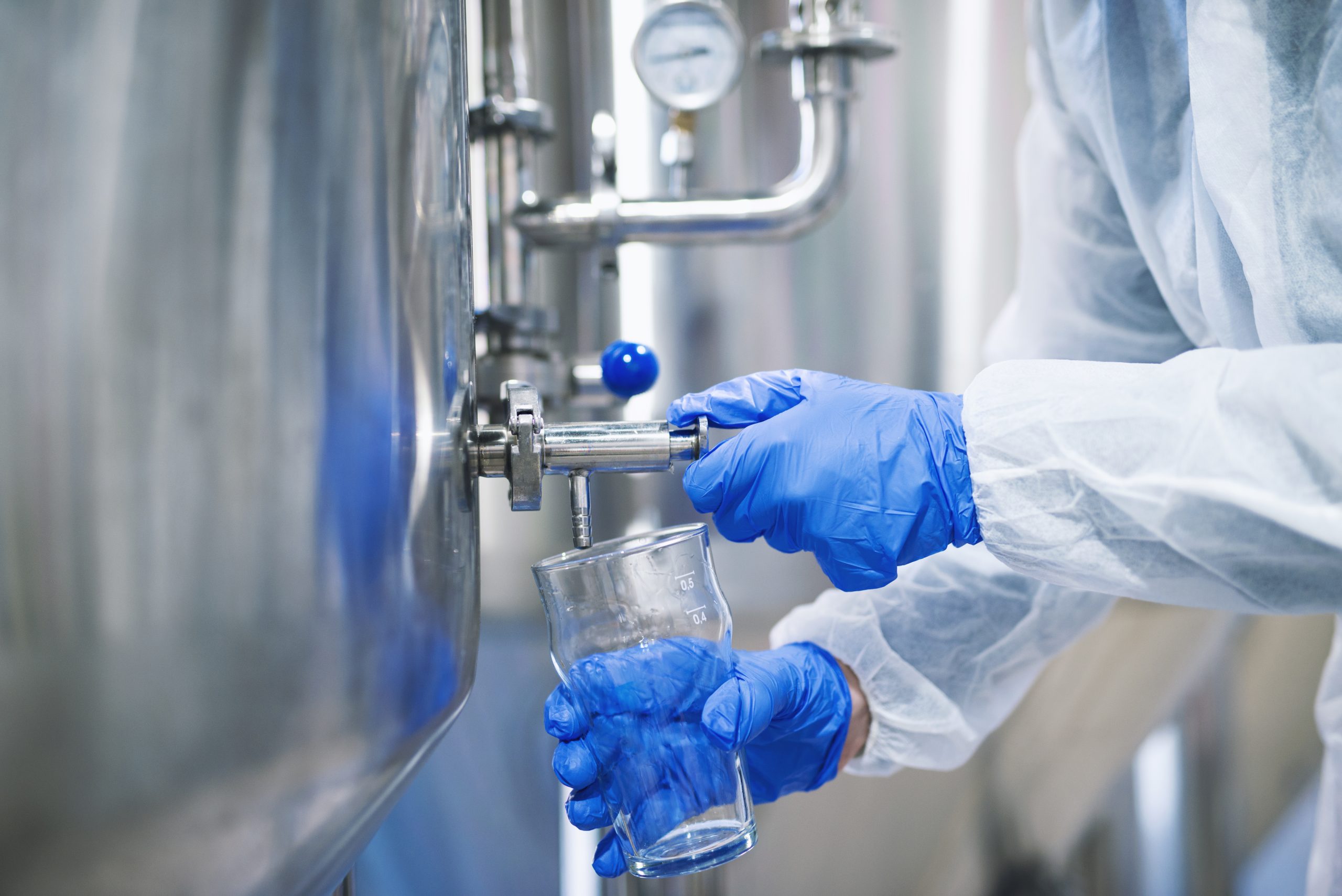
Regulatory Guidelines for Purified Water Systems
Pharmaceutical purified water systems are regulated by several international agencies and guidelines.
The most commonly followed guidelines include:
- WHO Good Manufacturing Practices (GMP)
- USFDA Guidance
- EU GMP Annex 1
- ISPE Baseline Guide for Water and Steam Systems
- USP <1231> Water for Pharmaceutical Purposes
- Indian GMP Guidelines
These regulations require manufacturers to properly design, validate, monitor, maintain, and document purified water systems throughout their lifecycle.
Major Components of a Purified Water System in Pharma
A Purified Water System in Pharma consists of several interconnected units that work together to produce pharmaceutical-grade water. Each component performs a specific function in removing impurities and maintaining water quality. Proper design and maintenance of these components are essential to ensure compliance with Good Manufacturing Practice (GMP) and pharmacopeial standards.
The major components of a Purified Water System in Pharma include:
- Raw Water Storage Tank
- Feed Water Pump
- Multi-Grade Sand Filter (MGF)
- Activated Carbon Filter (ACF)
- Water Softener
- Micron Cartridge Filter
- Reverse Osmosis (RO) System
- Electrodeionization (EDI) Unit
- Ultraviolet (UV) Sterilizer
- Ozone Generator (Optional)
- Purified Water Storage Tank
- Distribution Loop
- Sanitary Pumps
- Online Monitoring Instruments
Let’s understand each component in detail.
1. Raw Water Storage Tank
The Raw Water Storage Tank stores potable water received from the municipal supply or borewell before it enters the purification system.
The tank acts as a buffer to ensure a continuous supply of water to the treatment plant even during fluctuations in the external water supply.
Functions
- Stores feed water
- Maintains uninterrupted operation
- Provides constant water pressure
- Reduces supply fluctuations
Raw water storage tanks are generally constructed from food-grade materials or stainless steel to minimize contamination.
2. Feed Water Pump
The Feed Water Pump transfers raw water from the storage tank to the pretreatment system.
A properly selected pump ensures:
- Continuous water flow
- Required operating pressure
- Stable plant operation
The pump should be designed to handle the required flow rate without causing pressure fluctuations.
3. Multi-Grade Sand Filter (MGF)
The Multi-Grade Sand Filter is the first major purification step in a Purified Water System in Pharma.
It removes suspended solids and larger particles from raw water.
Working Principle
Water passes through multiple layers of specially graded sand.
As water flows downward:
- Sand traps suspended particles.
- Turbidity decreases.
- Larger impurities are removed.
Advantages
- Removes suspended solids
- Reduces turbidity
- Protects downstream equipment
- Improves RO performance
Regular backwashing is required to maintain filter efficiency.
4. Activated Carbon Filter (ACF)
The Activated Carbon Filter removes chlorine, organic compounds, unpleasant taste, odor, and color from water.
This is an essential pretreatment step because chlorine can damage Reverse Osmosis membranes.
Working Principle
Activated carbon has a highly porous structure.
As water passes through the carbon bed, contaminants are adsorbed onto the carbon surface.
Removes
- Free chlorine
- Organic compounds
- Bad odor
- Color
- Certain pesticides
Advantages
- Protects RO membranes
- Improves water quality
- Removes unpleasant smell
- Increases membrane life
Periodic replacement or regeneration of activated carbon is necessary to maintain performance.
5. Water Softener
Hard water contains calcium and magnesium salts that cause scale formation on RO membranes and pipelines.
A water softener removes these hardness-causing ions.
Working Principle
The softener contains ion-exchange resin.
As hard water passes through the resin bed:
- Calcium ions are exchanged with sodium ions.
- Magnesium ions are exchanged with sodium ions.
The result is softened water with significantly reduced hardness.
Benefits
- Prevents scaling
- Improves RO efficiency
- Reduces maintenance
- Extends equipment life
The resin is regenerated periodically using a salt (brine) solution.
6. Micron Cartridge Filter
The Micron Cartridge Filter removes fine suspended particles before water enters the Reverse Osmosis system.
Typical filter ratings include:
- 10 micron
- 5 micron
- 1 micron
Functions
- Protects RO membranes
- Removes fine particles
- Improves water clarity
- Reduces fouling
Micron filters should be replaced regularly according to pressure drop or operating hours.
7. Reverse Osmosis (RO) System
The Reverse Osmosis (RO) unit is the most important component of a Purified Water System in Pharma because it removes the majority of dissolved impurities.
What is Reverse Osmosis?
Reverse Osmosis is a membrane separation process that uses high pressure to force water through a semi-permeable membrane.
The membrane allows water molecules to pass while rejecting dissolved salts, microorganisms, organic compounds, and other contaminants.
Working Principle
- Feed water enters the RO system.
- A high-pressure pump increases water pressure.
- Water passes through the RO membrane.
- Pure water (permeate) passes through the membrane.
- Concentrated impurities (reject water) are discharged.
RO Removes
- Dissolved salts
- Heavy metals
- Bacteria
- Viruses
- Organic impurities
- Endotoxins (partially)
- Suspended solids
Advantages
- High purification efficiency
- Low operating cost
- Continuous operation
- Reliable performance
- Reduced chemical consumption
Many pharmaceutical plants use a Double Pass RO System to achieve even higher water quality.
8. Electrodeionization (EDI)
Electrodeionization is commonly installed after the RO system to further purify water.
EDI combines ion-exchange resins with electricity to continuously remove dissolved ions.
Working Principle
Water enters the EDI module.
Electrical current continuously removes dissolved ions from the water.
Unlike conventional ion exchange, EDI does not require chemical regeneration.
Benefits
- Produces high-purity water
- Continuous operation
- No acid or alkali regeneration
- Lower operating costs
- Environmentally friendly
EDI is widely used in modern pharmaceutical purified water systems.
9. Ultraviolet (UV) Sterilizer
A UV Sterilizer is installed to reduce microbial contamination.
Working Principle
Water flows through a chamber containing a UV lamp that emits ultraviolet light at approximately 254 nm.
The UV light damages the DNA of microorganisms, preventing them from reproducing.
Benefits
- Controls bacteria
- Reduces microbial load
- Chemical-free disinfection
- Low maintenance
- Continuous operation
UV systems improve the microbiological quality of purified water.
10. Ozone Generator (Optional)
Many pharmaceutical companies use ozone for sanitizing purified water storage tanks and distribution loops.
Advantages
- Strong disinfectant
- Effective against microorganisms
- No harmful residue
- Improves microbiological control
Ozone decomposes naturally into oxygen, making it suitable for pharmaceutical applications.
11. Purified Water Storage Tank
After purification, water is stored in a specially designed sanitary storage tank.
The storage tank is generally made from SS 316L stainless steel with a polished internal surface to minimize microbial growth.
Features
- Conical bottom for complete drainage
- Spray ball for CIP
- Vent filter
- Level indicator
- Temperature monitoring
- Recirculation connection
Proper tank design helps maintain water quality during storage.
12. Distribution Loop
The distribution loop delivers purified water from the storage tank to various points of use throughout the pharmaceutical facility.
The loop continuously circulates water to prevent stagnation and microbial growth.
Advantages
- Continuous water circulation
- Uniform water quality
- Reduced contamination risk
- Faster water availability
Distribution loops are usually designed with sanitary SS 316L piping and orbital welding.
13. Sanitary Pumps
Sanitary pumps circulate purified water throughout the distribution loop.
These pumps are specially designed for pharmaceutical applications.
Their functions include:
- Maintaining continuous circulation
- Preventing water stagnation
- Ensuring uniform flow
- Supporting sanitization cycles
14. Online Monitoring Instruments
Modern Purified Water Systems include online instruments that continuously monitor water quality.
Common monitoring parameters include:
- Conductivity
- Total Organic Carbon (TOC)
- Temperature
- Flow Rate
- Pressure
- Tank Level
Continuous monitoring helps detect deviations immediately and ensures compliance with regulatory requirements.
Working Principle of a Purified Water System in Pharma
The Purified Water System in Pharma operates through a sequence of purification stages, each designed to remove specific contaminants and produce pharmaceutical-grade water.
The overall process follows these steps:
- Potable water is collected in the raw water storage tank.
- The feed pump transfers water to the pretreatment system.
- The Multi-Grade Sand Filter removes suspended solids and turbidity.
- The Activated Carbon Filter removes chlorine, odor, color, and organic compounds.
- The Water Softener removes hardness-causing calcium and magnesium ions.
- The Micron Cartridge Filter removes fine particles before membrane filtration.
- The Reverse Osmosis (RO) unit removes dissolved salts, microorganisms, and most impurities.
- The Electrodeionization (EDI) unit further purifies the water by removing remaining ions.
- The UV Sterilizer reduces microbial contamination.
- The purified water is collected in the SS 316L storage tank.
- A sanitary distribution pump continuously circulates the water through the distribution loop to various user points.
- Online instruments continuously monitor water quality to ensure compliance with pharmaceutical standards.
This integrated process ensures that the Purified Water System in Pharma consistently produces water that meets GMP and pharmacopeial requirements.
Purified Water Storage System
After water has been purified through the treatment process, it must be stored in a hygienic and contamination-free environment before being supplied to different production areas. The Purified Water System in Pharma uses specially designed storage tanks to preserve water quality and prevent microbial growth.
A well-designed storage system ensures that purified water maintains its chemical and microbiological quality until it reaches the point of use.
Features of a Purified Water Storage Tank
Pharmaceutical purified water storage tanks are manufactured according to GMP guidelines and are generally made from Stainless Steel 316L (SS 316L) because of its excellent corrosion resistance and smooth surface finish.
Typical features include:
- SS 316L construction
- Mirror-polished internal surface
- Conical bottom for complete drainage
- Spray ball for CIP (Cleaning-In-Place)
- Vent filter with hydrophobic membrane
- Level indicator
- Temperature sensor
- Sampling point
- Drain valve
- Overflow protection
- Manhole for inspection
These features help minimize contamination, facilitate cleaning, and support system validation.
Importance of the Storage Tank
The storage tank performs several important functions within the Purified Water System in Pharma.
1. Continuous Water Availability: The storage tank ensures that purified water is always available, even when demand suddenly increases during manufacturing.
2. Maintains Water Quality: Proper tank design prevents contamination and microbial growth while maintaining the required water quality.
3. Supports Continuous Circulation: The tank is connected to the distribution loop, allowing water to circulate continuously and preventing stagnation.
4. Facilitates Sanitization: Modern storage tanks are designed for easy cleaning and sanitization using hot water, ozone, or chemical methods.
Purified Water Distribution Loop
The distribution loop is one of the most important parts of a Purified Water System in Pharma. After purification, water is continuously circulated from the storage tank to various user points throughout the pharmaceutical plant.
Unlike ordinary water systems, pharmaceutical distribution loops are designed to avoid stagnant water because stagnant water can promote microbial growth.
Continuous circulation helps maintain water quality until the point of use.
Components of a Distribution Loop
A typical distribution loop includes:
- Storage tank
- Sanitary circulation pump
- SS 316L pipelines
- User points
- Return line
- Online conductivity meter
- Temperature indicator
- Pressure gauge
- Flow meter
- Sampling points
- UV unit (optional)
- Heat exchanger (for hot loops)
Each component contributes to maintaining water quality and system reliability.
Why Continuous Circulation is Important
Continuous circulation offers several advantages in a Purified Water System in Pharma.
- Prevents Water Stagnation: Moving water continuously minimizes microbial growth inside pipelines.
- Maintains Uniform Water Quality: Every user point receives water of consistent quality.
- Reduces Biofilm Formation: Continuous flow makes it difficult for microorganisms to attach to pipe surfaces.
- Faster Water Delivery: Users receive purified water immediately without waiting for flushing.
Design Considerations for Distribution Loop
A pharmaceutical distribution loop should be carefully designed to maintain water quality and comply with GMP requirements.
Important design considerations include:
- Loop Design: The piping should form a complete loop so that water continuously returns to the storage tank.
- Dead Leg Control: Dead legs are unused sections of piping where water remains stagnant.
According to industry practice, dead legs should be minimized because they increase the risk of microbial contamination.
- Pipe Material: SS 316L stainless steel is the preferred material because it:
- Resists corrosion
- Has a smooth surface
- Supports sanitization
- Is GMP compliant
- Orbital Welding: Orbital welding produces smooth internal pipe joints with minimal crevices where microorganisms can grow.
- Pipe Slope: Pipelines should have adequate slope to allow complete drainage during maintenance or sanitization.
Hot Water Distribution Loop
Some pharmaceutical companies maintain purified water at elevated temperatures, typically between 65°C and 80°C, to control microbial growth.
Advantages
- Continuous microbial control
- Reduced biofilm formation
- Less frequent chemical sanitization
- Improved system reliability
Disadvantages
- Higher energy consumption
- Increased insulation requirements
- Higher installation cost
Hot water loops are commonly used in large pharmaceutical manufacturing facilities.
Cold Water Distribution Loop
Many facilities operate purified water systems at ambient temperatures while using ozone or UV sterilization for microbial control.
Advantages
- Lower energy consumption
- Reduced operating costs
- Easier maintenance
Disadvantages
- Greater risk of microbial growth
- More frequent sanitization required
The choice between hot and cold loops depends on production requirements and company policies.
Sanitization of Purified Water System
Sanitization is essential to maintain the microbiological quality of the Purified Water System in Pharma.
Without regular sanitization, microorganisms can multiply inside storage tanks and pipelines, leading to contamination and regulatory issues.
The most common sanitization methods include:
1. Hot Water Sanitization
Hot water sanitization is one of the most effective methods for controlling microbial contamination.
Working Principle
Hot purified water is circulated through the entire system at elevated temperatures for a specified period.
This process destroys microorganisms and helps remove biofilms.
- Chemical-free process
- Highly effective
- Environmentally friendly
- Suitable for routine sanitization
2. Ozone Sanitization
Ozone is a powerful oxidizing agent widely used in pharmaceutical purified water systems.
Working Principle
Ozone gas is dissolved into purified water and circulated throughout the storage tank and distribution loop.
The ozone destroys bacteria, fungi, viruses, and biofilms.
Advantages
- Excellent microbial control
- No harmful residues
- Decomposes naturally into oxygen
- Suitable for continuous sanitization
3. Chemical Sanitization
Chemical sanitization uses approved disinfectants to eliminate microbial contamination.
Common chemicals include:
- Hydrogen peroxide
- Peracetic acid
- Sodium hypochlorite (for selected applications)
After chemical sanitization, the system must be thoroughly flushed until all chemical residues are removed.
Applications of Purified Water in Pharma
A Purified Water System in Pharma supplies water for a wide variety of pharmaceutical operations.
1. Manufacturing of Oral Liquid Preparations
Purified water is widely used in the preparation of:
- Syrups
- Suspensions
- Oral solutions
- Mouthwashes
Its high purity helps maintain product quality and stability.
2. Equipment Cleaning
Purified water is used for cleaning:
- Reactors
- Mixing vessels
- Storage tanks
- Pipelines
- Filling machines
- Transfer lines
Effective cleaning prevents cross-contamination and supports GMP compliance.
3. Cleaning-In-Place (CIP)
Purified water is an essential component of CIP systems.
It is used for:
- Final rinsing
- Removal of cleaning agents
- Equipment preparation before production
4. Laboratory Applications
Quality Control laboratories use purified water for:
- Reagent preparation
- Sample dilution
- Instrument cleaning
- Analytical testing
Reliable laboratory results depend on consistent water quality.
5. Buffer Preparation
Many pharmaceutical manufacturing processes require buffer solutions.
Purified water ensures:
- Accurate chemical composition
- Stable pH
- Reliable manufacturing results
6. Granulation Process
During tablet manufacturing, purified water is commonly used in wet granulation.
High-quality water helps produce granules with consistent characteristics.
7. Coating Operations
Tablet coating solutions are often prepared using purified water.
This improves coating quality and minimizes contamination risks.
8. Utility Applications
Purified water is also used in several pharmaceutical utility operations, including:
- Humidification systems
- Equipment rinsing
- Process preparation
Routine Monitoring of Purified Water System
Continuous monitoring is essential to ensure that purified water consistently meets quality requirements.
Routine monitoring helps identify potential problems before they affect manufacturing operations.
Important Parameters to Monitor
Conductivity
Conductivity indicates the concentration of dissolved ions present in purified water.
Higher conductivity values may indicate contamination or reduced purification efficiency.
Total Organic Carbon (TOC)
TOC measures the amount of organic contamination present in purified water.
Excessive TOC may indicate microbial growth or organic contamination.
Microbial Count
Routine microbiological testing verifies that microbial contamination remains within acceptable limits.
Typical testing includes:
- Total aerobic microbial count
- Identification of objectionable organisms
- Trend analysis
Temperature
Temperature monitoring is especially important for hot water distribution systems.
Maintaining proper temperature helps control microbial growth.
Flow Rate
Flow rate monitoring ensures adequate circulation throughout the distribution loop.
Reduced flow may indicate pump problems or pipeline blockage.
Pressure
Pressure monitoring helps identify:
- Filter blockage
- Pump malfunction
- Pipeline restrictions
Pressure gauges should be calibrated periodically.
Water Sampling in Pharmaceutical Plants
Sampling is an important part of monitoring a Purified Water System in Pharma.
Water samples are collected from different locations, including:
- RO outlet
- EDI outlet
- Storage tank
- Distribution loop
- Point of use
- Return loop
Sampling should follow approved Standard Operating Procedures (SOPs) to avoid contamination.
3. Low Water Flow
Possible Causes
- Pump failure
- Blocked filters
- Pipeline restrictions
Corrective Actions
- Inspect pumps
- Replace filters
- Clean pipelines
4. Pressure Drop
Possible Causes
- Fouled filters
- RO membrane scaling
- Valve blockage
Corrective Actions
- Replace filters
- Clean RO membranes
- Inspect valves
5. Frequent Alarm Generation
Possible Causes
- Sensor malfunction
- Instrument calibration issues
- Electrical faults
Corrective Actions
- Verify sensors
- Recalibrate instruments
- Inspect control system
Conclusion
A Purified Water System in Pharma is one of the most essential utility systems in pharmaceutical manufacturing. It ensures the continuous production, storage, and distribution of high-quality purified water used in manufacturing, cleaning, laboratory testing, and other critical pharmaceutical operations.
The system combines advanced technologies such as Reverse Osmosis (RO), Electrodeionization (EDI), UV sterilization, and sanitary distribution loops to consistently produce water that meets pharmacopeial standards. Proper validation, routine monitoring, preventive maintenance, and regular sanitization are necessary to maintain system performance and regulatory compliance.
A well-designed Purified Water System in Pharma not only protects product quality and patient safety but also improves operational efficiency and supports Good Manufacturing Practice (GMP). Understanding its design, working principle, components, applications, and validation is essential for pharmaceutical engineers, production personnel, quality assurance professionals, and students preparing for careers in the pharmaceutical industry.
Frequently Asked Questions (FAQs)
Q1. What is a Purified Water System in Pharma?
A Purified Water System in Pharma is a water treatment system that produces pharmaceutical-grade purified water for manufacturing, cleaning, laboratory testing, and utility applications.
Q2. Why is purified water important in pharmaceutical manufacturing?
Purified water ensures product quality, prevents contamination, supports GMP compliance, and protects patient safety.
Q3. What is the purpose of Reverse Osmosis in a purified water system?
Reverse Osmosis removes dissolved salts, microorganisms, organic compounds, and other impurities, producing high-quality purified water.
Q4. What is the difference between Purified Water and WFI?
Purified Water is generally used for non-sterile applications, whereas Water for Injection (WFI) is used for sterile manufacturing and injectable products.
Q5. Why is a distribution loop used?
The distribution loop continuously circulates purified water to prevent stagnation, reduce microbial growth, and maintain water quality.
Q6. Which standards apply to pharmaceutical purified water?
Purified water should comply with pharmacopeial standards such as USP, IP, EP, and JP, along with GMP guidelines.