What is GMP in pharmaceutical industry? Good Manufacturing Practice (GMP) is a quality management system used in the pharmaceutical industry to ensure that medicines are consistently manufactured and controlled according to predefined quality standards. GMP guidelines help pharmaceutical companies maintain product safety, efficacy, identity, purity, and overall quality throughout the manufacturing process.
In the pharmaceutical industry, even a minor manufacturing error can lead to contamination, incorrect dosage, labeling mistakes, or serious risks to patient health. Therefore, GMP plays a critical role in preventing quality defects and ensuring that pharmaceutical products are safe for human use.
GMP covers every stage of pharmaceutical manufacturing, including raw material handling, equipment maintenance, personnel training, sanitation, documentation, production, packaging, storage, and quality control. Regulatory authorities such as the US FDA, WHO, MHRA, and CDSCO require pharmaceutical manufacturers to strictly follow GMP regulations.
Today, GMP compliance has become essential for pharmaceutical companies to maintain product quality, pass regulatory inspections, reduce manufacturing risks, and build trust in the global healthcare industry.
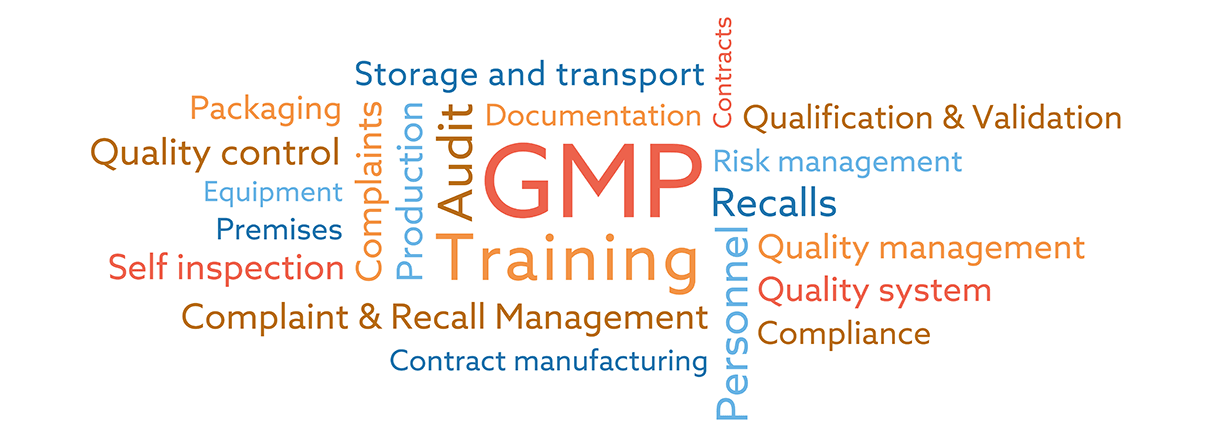
What is GMP in Pharmaceutical Industry?
Good Manufacturing Practice (GMP) is one of the most important quality systems used in the pharmaceutical industry to ensure that medicines are consistently produced and controlled according to quality standards. GMP guidelines help pharmaceutical companies maintain product safety, efficacy, identity, purity, and quality throughout manufacturing operations.
In the pharmaceutical industry, even a small manufacturing error can affect patient safety. Therefore, GMP plays a critical role in preventing contamination, mix-ups, deviations, and quality defects during drug manufacturing.
GMP regulations are followed globally by pharmaceutical manufacturers, healthcare companies, vaccine manufacturers, and medical device industries to ensure compliance with regulatory authorities such as the WHO, US FDA, MHRA, and CDSCO.
Full Form of GMP
GMP stands for Good Manufacturing Practice.
It is a system that ensures pharmaceutical products are consistently manufactured and controlled according to predefined quality standards.
Why GMP is Important in Pharmaceutical Industry
GMP is essential because pharmaceutical products directly affect human health. Poor manufacturing practices may lead to:
- Contaminated medicines
- Incorrect dosage strength
- Product mix-ups
- Labeling errors
- Microbial contamination
- Patient safety risks
The pharmaceutical industry must maintain strict manufacturing controls to reduce such risks and ensure that products are safe for patients.
Objectives of GMP
The major objectives of GMP include:
- Ensuring product quality and safety
- Preventing contamination
- Maintaining batch consistency
- Reducing manufacturing errors
- Improving documentation practices
- Meeting regulatory compliance
- Protecting patient health
Key Principles of GMP
1. Proper Documentation
All pharmaceutical activities should be properly documented. GMP documentation helps maintain traceability, accountability, and compliance during manufacturing operations.
Examples include:
- SOPs
- Batch Manufacturing Records (BMR)
- Batch Packaging Records (BPR)
- Logbooks
- Validation protocols
2. Personnel Training
Employees working in pharmaceutical manufacturing should receive proper GMP training regularly.
Training areas include:
- Hygiene practices
- SOP handling
- Equipment operation
- Safety procedures
- Documentation practices
Qualified and trained personnel are essential for maintaining GMP compliance.
3. Cleanliness and Hygiene
Clean manufacturing environments reduce contamination risks. GMP emphasizes proper sanitation procedures in:
- Production areas
- Warehouses
- Laboratories
- Equipment cleaning
- Personnel hygiene
Clean room classification and environmental monitoring are also important GMP requirements.
4. Equipment Qualification
Pharmaceutical equipment should be properly designed, maintained, calibrated, and qualified.
Qualification stages include:
- DQ (Design Qualification)
- IQ (Installation Qualification)
- OQ (Operational Qualification)
- PQ (Performance Qualification)
Proper equipment qualification ensures reliable manufacturing performance.
5. Quality Control System
A strong Quality Control (QC) system helps verify that products meet predefined specifications.
QC activities include:
- Raw material testing
- In-process testing
- Finished product analysis
- Stability testing
- Microbiological testing
6. Validation
Validation is an important GMP requirement used to confirm that manufacturing processes consistently produce quality products.
Validation types include:
- Process Validation
- Cleaning Validation
- Analytical Method Validation
- Equipment Validation
GMP Guidelines in Pharmaceutical Industry
Several international regulatory agencies provide GMP guidelines.
Major GMP Regulatory Authorities
| Regulatory Authority | Country/Region |
|---|---|
| US FDA | United States |
| WHO GMP | International |
| MHRA | United Kingdom |
| CDSCO | India |
| EMA | Europe |
These agencies inspect pharmaceutical companies to verify GMP compliance.
GMP Documentation System
Documentation is considered the backbone of GMP compliance.
Common GMP Documents
| Document | Purpose |
|---|---|
| SOP | Standard operating instructions |
| BMR | Manufacturing record |
| BPR | Packaging record |
| Validation Report | Validation evidence |
| Logbook | Equipment usage tracking |
Proper documentation helps during audits and inspections.
GMP in Pharmaceutical Manufacturing
GMP applies to all pharmaceutical manufacturing activities, including:
- Tablet manufacturing
- Capsule production
- Injectable manufacturing
- API manufacturing
- Packaging operations
- Warehouse management
Every step must follow approved procedures to ensure product quality and regulatory compliance.
Benefits of GMP
1. Improved Product Quality
GMP helps maintain consistent product quality across different manufacturing batches.
2. Patient Safety
Proper GMP implementation reduces contamination and manufacturing risks.
3. Regulatory Compliance
Following GMP guidelines helps companies pass regulatory inspections successfully.
4. Reduced Product Recalls
Controlled manufacturing processes reduce the risk of defective products entering the market.
5. Better Company Reputation
GMP-compliant companies gain trust from regulators, healthcare professionals, and customers.
Common GMP Violations
Some common GMP violations observed during pharmaceutical inspections include:
- Incomplete documentation
- Poor cleaning practices
- Data integrity issues
- Improper calibration
- Cross-contamination risks
- Untrained personnel
These violations may result in warning letters, penalties, or production shutdowns.
Difference Between GMP and cGMP
| GMP | cGMP |
|---|---|
| Basic manufacturing practices | Current Good Manufacturing Practices |
| General compliance system | Updated modern compliance system |
| Focus on quality standards | Focus on continuous improvement |
The term cGMP emphasizes the use of current technologies and updated systems.
Challenges in GMP Compliance
Pharmaceutical companies may face several GMP challenges such as:
- High compliance cost
- Frequent audits
- Complex documentation
- Employee training requirements
- Validation activities
- Regulatory updates
Despite these challenges, GMP compliance remains essential for pharmaceutical manufacturing.
GMP Audit and Inspection
Regulatory agencies conduct GMP audits to verify whether pharmaceutical companies follow approved procedures and quality systems.
During GMP inspections, auditors check:
- Documentation practices
- Manufacturing records
- Cleaning procedures
- Equipment qualification
- Validation status
- Data integrity
Successful audits help maintain manufacturing licenses and regulatory approvals.
Conclusion
Good Manufacturing Practice (GMP) is the foundation of quality assurance in the pharmaceutical industry. GMP guidelines help pharmaceutical companies manufacture safe, effective, and high-quality medicines while maintaining regulatory compliance.
From documentation and validation to hygiene and quality control, every pharmaceutical activity must follow GMP principles to protect patient safety and product integrity.
As pharmaceutical regulations continue evolving, GMP compliance remains one of the most critical requirements for pharmaceutical manufacturing companies worldwide.
FAQs
What is GMP in pharmaceutical industry?
GMP stands for Good Manufacturing Practice, a quality system that ensures medicines are consistently produced and controlled according to quality standards.
Why is GMP important?
GMP helps ensure product quality, patient safety, and regulatory compliance in pharmaceutical manufacturing.
Who regulates GMP?
Regulatory agencies such as US FDA, WHO, MHRA, CDSCO, and EMA regulate GMP compliance.
What are the 5 main components of GMP?
The major GMP components include:
- Personnel
- Premises
- Processes
- Procedures
- Documentation
What happens if a company fails GMP inspection?
A company may receive warning letters, penalties, import bans, or manufacturing suspension for serious GMP violations.