Solvent recovery plays a critical role in the pharmaceutical and chemical industries where solvents are widely used in manufacturing processes. Efficient solvent recovery not only reduces operational costs but also minimizes environmental impact and ensures regulatory compliance. In modern pharmaceutical operations, solvent recovery has become a key part of sustainable manufacturing practices.
In simple terms, solvent recovery refers to the process of collecting, purifying, and reusing solvents after they have been used in chemical reactions or processing steps. Instead of disposing of used solvents as waste, industries recover and recycle them to improve efficiency and reduce costs.
This comprehensive guide explains solvent recovery, its importance, methods, process design, advantages, and best practices.
What is Solvent Recovery?
Solvent recovery is the process of extracting and purifying used solvents so they can be reused in industrial processes. During pharmaceutical manufacturing, solvents are used for reactions, crystallization, extraction, and cleaning. After use, these solvents often contain impurities such as reaction by-products, water, or residues.
The goal of solvent recovery is to remove these impurities and restore the solvent to a usable condition. This reduces waste generation and lowers the need for fresh solvent procurement.
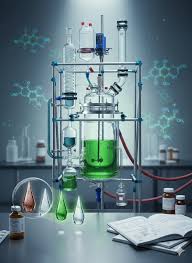
Importance of Solvent Recovery in Pharma
Solvent recovery is a critical aspect of pharmaceutical manufacturing, as solvents are widely used in various processes such as synthesis, extraction, crystallization, and cleaning. Without an effective solvent recovery system, industries would face high operational costs, increased environmental risks, and regulatory challenges. Implementing efficient solvent recovery practices not only improves process sustainability but also enhances overall plant efficiency and profitability.
Below are the key reasons why solvent recovery is essential in the pharmaceutical industry:
1. Cost Reduction
Solvents represent a significant portion of raw material costs in pharmaceutical production. Many commonly used solvents such as methanol, ethanol, and acetone are expensive, especially when used in large quantities. By implementing solvent recovery systems, industries can recover a substantial percentage of used solvents and reuse them in the process.
This reduces the need to purchase fresh solvents, leading to considerable cost savings. Over time, the savings generated through solvent recovery can offset the initial investment in recovery equipment and contribute to higher profit margins.
2. Environmental Protection
Improper disposal of solvents can lead to serious environmental issues, including soil contamination, water pollution, and air emissions. Many solvents are volatile organic compounds (VOCs) that contribute to air pollution and pose health risks.
Solvent recovery helps minimize hazardous waste generation by recycling and reusing solvents instead of discarding them. This significantly reduces the environmental footprint of pharmaceutical operations and supports eco-friendly manufacturing practices.
3. Regulatory Compliance
Pharmaceutical companies are required to follow strict environmental and safety regulations set by authorities such as pollution control boards and international regulatory agencies. These regulations often limit the amount of solvent emissions and waste that can be released into the environment.
By adopting solvent recovery systems, companies can comply with these regulations more effectively. Proper recovery and reuse of solvents demonstrate a commitment to sustainable practices and help avoid legal penalties, fines, and operational shutdowns.
4. Resource Optimization
Solvent recovery promotes efficient use of resources by maximizing the utilization of existing materials. Instead of treating used solvents as waste, they are converted back into valuable resources through recovery processes.
This reduces dependency on fresh solvent supplies, conserves natural resources, and improves overall process efficiency. In the long run, solvent recovery supports a circular economy approach where materials are reused rather than discarded.
5. Improved Process Efficiency
Efficient solvent recovery systems help maintain consistent solvent quality, which is crucial for reliable process performance. Recovered solvents, when properly purified, can meet required specifications and be reused without affecting product quality.
This consistency leads to smoother operations, fewer process interruptions, and better control over manufacturing parameters.
6. Support for Sustainable Manufacturing
Sustainability is becoming a key focus in the pharmaceutical industry. Solvent recovery aligns with green chemistry principles by reducing waste, lowering emissions, and promoting reuse of materials.
Companies that invest in solvent recovery not only improve their environmental performance but also enhance their brand reputation as responsible and sustainable manufacturers.
Types of Solvents Used in Pharma
Solvents are an essential part of pharmaceutical manufacturing, playing a key role in processes such as synthesis, extraction, purification, crystallization, and cleaning. The selection of a suitable solvent depends on factors like solubility, polarity, boiling point, toxicity, and compatibility with the active pharmaceutical ingredient (API). Different solvents serve different purposes based on their chemical properties and process requirements.
Below are some of the most commonly used solvents in the pharmaceutical industry, explained in detail:
1. Methanol
Methanol is a highly polar solvent widely used in pharmaceutical manufacturing. It is known for its excellent solubility for a wide range of organic compounds.
Key Properties:
- Low boiling point (~65°C)
- High polarity
- Miscible with water
Applications:
- Used in chemical synthesis and reactions
- Solvent for extraction and purification
- Used in analytical techniques like HPLC
Advantages:
- Easy to recover due to low boiling point
- Cost-effective
Limitations:
- Toxic in nature
- Requires careful handling and proper recovery systems
2. Ethanol
Ethanol is one of the most widely used solvents due to its relatively low toxicity and excellent solvency.
Key Properties:
- Moderate polarity
- Boiling point (~78°C)
- Biodegradable
Applications:
- Used in formulation of syrups, tinctures, and oral solutions
- Extraction of herbal compounds
- Cleaning and sanitization
Advantages:
- Safer compared to many other solvents
- Environmentally friendly
Limitations:
- Flammable
- Requires controlled storage conditions
3. Acetone
Acetone is a fast-evaporating solvent with strong dissolving capabilities.
Key Properties:
- Low boiling point (~56°C)
- High volatility
- Miscible with water and organic solvents
Applications:
- Cleaning equipment and surfaces
- Used in crystallization processes
- Solvent for resins and polymers
Advantages:
- Quick drying
- Efficient cleaning agent
Limitations:
- Highly flammable
- Can cause irritation with prolonged exposure
4. Toluene
Toluene is a non-polar solvent commonly used in organic synthesis.
Key Properties:
- Moderate boiling point (~110°C)
- Low polarity
- Insoluble in water
Applications:
- Used in chemical reactions
- Solvent for coatings and adhesives
- Extraction of non-polar compounds
Advantages:
- Good for dissolving hydrophobic substances
- Stable under various conditions
Limitations:
- Toxic and hazardous
- Requires strict safety measures
5. Hexane
Hexane is a non-polar solvent primarily used for extraction processes.
Key Properties:
- Low boiling point (~69°C)
- Non-polar nature
- Insoluble in water
Applications:
- Extraction of oils and fats
- Used in purification processes
- Separation of non-polar compounds
Advantages:
- Effective for lipid extraction
- Easy solvent recovery
Limitations:
- Flammable
- Neurotoxic with prolonged exposure
6. Isopropyl Alcohol (IPA)
Isopropyl alcohol is a widely used solvent in pharmaceutical manufacturing and cleaning processes.
Key Properties:
- Moderate polarity
- Boiling point (~82°C)
- Miscible with water
Applications:
- Cleaning and disinfection
- Used in formulations and intermediate steps
- Surface sterilization
Advantages:
- Effective antimicrobial properties
- Relatively safer than many organic solvents
Limitations:
- Flammable
- Requires proper ventilation during use
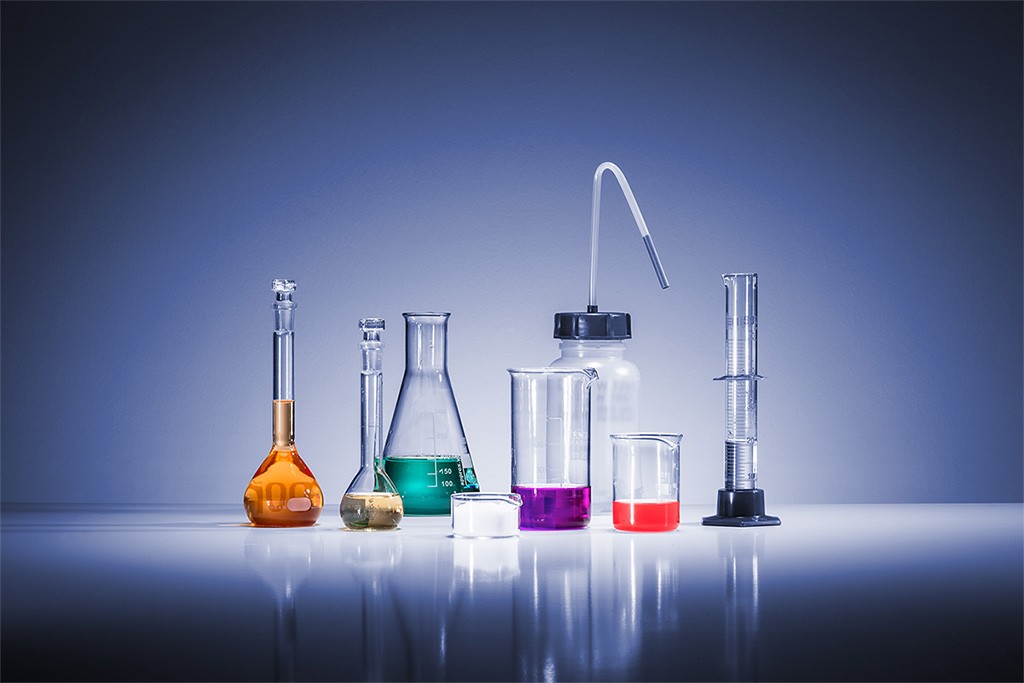
Why These Solvents Are Widely Used
These solvents are commonly used in the pharmaceutical industry because of their ability to:
- Dissolve a wide range of active pharmaceutical ingredients (APIs)
- Facilitate chemical reactions efficiently
- Enable easy separation and purification
- Support scalable industrial processes
Additionally, many of these solvents can be efficiently recovered and reused through solvent recovery systems, making them both economically and environmentally beneficial.
Methods of Solvent Recovery
There are several methods used for solvent recovery depending on the type of solvent and impurities.
1. Distillation
Distillation is the most common method of solvent recovery. It works based on differences in boiling points.
Types of Distillation:
- Simple distillation
- Fractional distillation
- Vacuum distillation
- Steam distillation
Distillation is highly effective for separating solvents from impurities and is widely used in pharmaceutical plants.
2. Adsorption
In adsorption, impurities are removed by passing the solvent through adsorbents like activated carbon.
This method is useful when:
- Impurities are present in small quantities
- High purity is required
3. Membrane Separation
Membrane technology uses semi-permeable membranes to separate solvents from contaminants.
Advantages:
- Energy efficient
- Environmentally friendly
4. Liquid-Liquid Extraction
This method separates solvents based on solubility differences in two immiscible liquids.
5. Crystallization
Used when solvent recovery involves separating solids from liquids.
Solvent Recovery Process Flow
A typical solvent recovery process includes:
- Collection of used solvent
- Pre-treatment (removal of solids)
- Separation (distillation or other method)
- Purification
- Storage for reuse
Each step is carefully controlled to ensure maximum efficiency and purity.
Equipment Used in Solvent Recovery
Key equipment used in solvent recovery systems:
- Distillation columns
- Condensers
- Reboilers
- Storage tanks
- Pumps
- Heat exchangers
Proper design and maintenance of equipment are crucial for effective solvent recovery.
Factors Affecting Solvent Recovery Efficiency
The efficiency of solvent recovery systems in pharmaceutical manufacturing depends on multiple technical and operational factors. Even with advanced equipment, poor control of these factors can lead to low recovery rates, higher energy consumption, and reduced solvent purity. Understanding and optimizing these parameters is essential for achieving maximum performance, cost savings, and consistent product quality.
Below are the key factors that influence solvent recovery efficiency:
1. Boiling Point Difference
The difference in boiling points between the solvent and impurities is one of the most important factors in solvent recovery, especially in distillation processes.
Explanation:
Distillation works on the principle of separating components based on their boiling points. When the boiling point difference between the solvent and impurities is large, separation becomes easier and more efficient.
Impact:
- Larger boiling point difference → Higher separation efficiency
- Smaller boiling point difference → Difficult separation, may require advanced techniques like fractional or vacuum distillation
Example:
Recovering acetone (low boiling point) from high-boiling impurities is easier than separating two solvents with similar boiling points.
2. Impurity Type
The nature and complexity of impurities present in the used solvent significantly affect recovery efficiency.
Types of Impurities:
- Dissolved solids
- Organic by-products
- Water (moisture)
- Azeotropic mixtures
Impact:
- Simple impurities → Easy removal
- Complex or reactive impurities → Require multi-step purification
Challenges:
- Formation of azeotropes can make separation difficult
- Some impurities may degrade the solvent during recovery
Proper pre-treatment and selection of suitable recovery methods are essential to handle complex impurity systems.
3. Temperature and Pressure
Operating conditions such as temperature and pressure play a crucial role in determining the effectiveness of solvent recovery.
Explanation:
- Temperature controls vaporization of solvents
- Pressure influences boiling point and phase behavior
Impact:
- High temperature → Faster evaporation but risk of solvent degradation
- Low pressure (vacuum) → Reduces boiling point, improves recovery of heat-sensitive solvents
Optimization:
Maintaining optimal temperature and pressure ensures efficient separation while preserving solvent quality and minimizing energy consumption.
4. Equipment Design
The design and configuration of solvent recovery equipment directly affect performance and efficiency.
Key Components:
- Distillation columns
- Condensers
- Reboilers
- Heat exchangers
Impact:
- Well-designed equipment → Higher recovery rate and purity
- Poor design → Energy loss, incomplete separation, operational issues
Design Considerations:
- Proper column height and tray design
- Efficient heat transfer systems
- Adequate condensation capacity
Advanced designs such as packed columns and multi-effect distillation systems can further improve efficiency.
5. Feed Composition and Concentration
The composition and concentration of the feed solvent mixture also influence recovery efficiency.
Impact:
- High solvent concentration → Easier recovery
- Diluted mixtures → Require more energy and time
Variations in feed composition can lead to fluctuations in recovery performance, making process control essential.
6. Flow Rate and Residence Time
The rate at which the solvent mixture passes through the recovery system affects separation efficiency.
Impact:
- High flow rate → Insufficient separation
- Adequate residence time → Better purification and recovery
Balancing flow rate and contact time is important for achieving optimal results.
7. Energy Input and Heat Integration
Energy supply is a critical factor in solvent recovery, particularly in distillation-based systems.
Impact:
- Insufficient heat → Poor vaporization
- Excess heat → Increased energy cost and potential degradation
Using heat integration techniques, such as reusing waste heat, can improve overall efficiency and reduce operational costs.
Advantages of Solvent Recovery
Solvent recovery offers multiple benefits:
Economic Benefits
- Reduces raw material cost
- Improves profitability
Environmental Benefits
- Minimizes waste
- Reduces pollution
Operational Benefits
- Improves process efficiency
- Supports sustainable manufacturing
Challenges in Solvent Recovery
Despite its advantages, solvent recovery has some challenges:
- High initial investment
- Energy consumption
- Handling complex mixtures
- Maintenance requirements
Proper planning and system design can overcome these challenges.
Applications of Solvent Recovery
Solvent recovery is widely used in:
- Pharmaceutical manufacturing
- Chemical industries
- Paint and coating industries
- Food processing
In pharma, solvent recovery is particularly important in API production and formulation processes.
Solvent Recovery in API Manufacturing
In Active Pharmaceutical Ingredient (API) production, solvents are used extensively in reactions and purification steps. Solvent recovery ensures:
- Reduced cost of production
- Compliance with environmental regulations
- Consistent product quality
Best Practices for Solvent Recovery
To achieve maximum efficiency, cost savings, and environmental benefits, solvent recovery systems must be operated using well-defined best practices. Simply installing recovery equipment is not enough—proper handling, monitoring, and optimization are essential to ensure consistent performance and high solvent purity. Following these best practices helps pharmaceutical industries improve recovery rates, reduce operational issues, and maintain compliance with regulatory standards.
1. Proper Segregation
Segregating solvents based on their type, composition, and level of contamination is one of the most important steps in improving solvent recovery efficiency.
Why it matters:
When different solvents are mixed together, especially those with similar boiling points or incompatible properties, separation becomes more complex and energy-intensive.
Best practices:
- Store solvents in separate containers based on type (e.g., alcohols, hydrocarbons)
- Avoid mixing chlorinated and non-chlorinated solvents
- Label all solvent streams clearly
- Maintain dedicated pipelines or storage systems where possible
Benefits:
- Easier and faster recovery
- Improved purity of recovered solvent
- Reduced processing cost and energy consumption
2. Regular Maintenance
Routine maintenance of solvent recovery equipment is essential to ensure smooth and efficient operation.
Why it matters:
Over time, equipment such as distillation columns, condensers, and pumps may develop fouling, scaling, or wear and tear, which can reduce efficiency and lead to system failures.
Best practices:
- Schedule periodic inspection of all equipment
- Clean heat exchangers and condensers regularly
- Check for leaks, corrosion, or blockages
- Calibrate instruments and sensors
Benefits:
- Consistent recovery performance
- Reduced downtime and maintenance costs
- Extended equipment lifespan
3. Process Optimization
Optimizing operating parameters is crucial for achieving maximum solvent recovery efficiency.
Key parameters to optimize:
- Temperature
- Pressure
- Flow rate
- Reflux ratio (in distillation systems)
Why it matters:
Incorrect operating conditions can lead to poor separation, higher energy consumption, and reduced solvent quality.
Best practices:
- Operate within the recommended temperature and pressure range
- Use vacuum distillation for heat-sensitive solvents
- Adjust process parameters based on feed composition
- Conduct regular performance evaluations
Benefits:
- Higher recovery yield
- Improved solvent purity
- Lower energy consumption
4. Monitoring and Control
Advanced monitoring and control systems play a vital role in maintaining impurity formation control efficient solvent recovery operations.
Why it matters:
Real-time monitoring allows operators to detect deviations, control process variables, and take corrective actions immediately.
Best practices:
- Use automated control systems (PLC/SCADA)
- Install sensors for temperature, pressure, and flow
- Monitor solvent purity and recovery rate
- Maintain proper data logging and analysis
Benefits:
- Improved process stability
- Reduced human error
- Better decision-making through data insights
5. Use of Energy-Efficient Systems
Energy consumption is a major cost factor in solvent recovery, especially in distillation processes.
Best practices:
- Implement heat integration systems
- Use energy-efficient distillation techniques (e.g., multi-effect distillation)
- Recover and reuse waste heat
Benefits:
- Lower operating costs
- Improved overall system efficiency
- Reduced environmental impact
6. Safety Management
Solvents are often flammable and hazardous, making safety a top priority in recovery operations.
Best practices:
- Ensure proper ventilation systems
- Use explosion-proof equipment
- Train personnel in solvent handling and emergency procedures
- Follow safety guidelines and standard operating procedures (SOPs)
Benefits:
- Reduced risk of accidents
- Safe working environment
- Compliance with safety regulations
7. Quality Control of Recovered Solvent
Maintaining the quality of recovered solvent is essential to ensure it can be reused without affecting product quality.
Best practices:
- Test recovered solvent for purity and contaminants
- Use appropriate purification techniques if required
- Maintain quality standards as per regulatory guidelines
Benefits:
- Consistent product quality
- Reliable reuse of solvents
- Reduced rejection rates
Environmental Impact of Solvent Recovery
Solvent recovery significantly reduces environmental impact by:
- Lowering emissions
- Reducing hazardous waste
- Conserving natural resources
Industries adopting solvent recovery contribute to sustainable development.
Future Trends in Solvent Recovery
The future of solvent recovery includes:
- Advanced membrane technologies
- Automation and digital monitoring
- Energy-efficient systems
- Green solvent recovery techniques
These innovations will further improve efficiency and sustainability.
FAQs
1. What is solvent recovery?
Solvent recovery is the process of collecting and purifying used solvents for reuse in industrial processes.
2. Why is solvent recovery important?
It reduces cost, minimizes waste, and ensures environmental compliance.
3. What is the most common method of solvent recovery?
Distillation is the most widely used method.
4. Which industries use solvent recovery?
Pharmaceutical, chemical, paint, and food industries use solvent recovery.
5. What are the benefits of solvent recovery?
Cost savings, environmental protection, and improved efficiency.