Understanding Batch Manufacturing
Batch Manufacturing is one of the most widely used production methods in the pharmaceutical industry. If you’ve ever wondered how tablets, capsules, syrups, and injectables are produced safely and consistently, the answer often lies in batch manufacturing. This method allows pharmaceutical companies to produce medicines in controlled quantities called batches, ensuring quality, traceability, and regulatory compliance.
Unlike continuous production systems where materials flow non-stop, batch manufacturing involves producing a fixed quantity of product in one cycle. Once the cycle finishes, equipment may be cleaned, inspected, and prepared for the next batch. This approach gives manufacturers greater control over quality, formulation accuracy, and documentation—three factors that are absolutely essential in pharmaceutical production.
Think of it like baking cookies at home. You measure ingredients, mix them together, bake one tray, and then start another if needed. Each tray represents a batch. If something goes wrong with one tray, the rest remain unaffected. The same concept applies in pharmaceutical batch manufacturing, except the process is far more controlled, documented, and regulated.
In pharmaceutical plants, batch manufacturing typically involves several structured stages. Raw materials are weighed and dispensed, then processed using mixers, granulators, reactors, or other specialized equipment. Each stage is carefully documented in a Batch Manufacturing Record (BMR) to maintain full traceability. If any issue arises, manufacturers can trace exactly which batch was affected.
Another reason batch manufacturing remains dominant in pharmaceuticals is regulatory compliance. Authorities such as the FDA, WHO, and EMA require strict documentation of every production step. Batch processing makes it easier to isolate and investigate problems without affecting the entire production line.
For websites like pharmacalculations.in, understanding batch manufacturing is especially important because accurate calculations, formula adjustments, and documentation play a huge role in pharmaceutical operations. Whether you’re a pharmacy student, production chemist, or QA professional, mastering this concept helps you understand how medicines move from raw materials to finished products safely and efficiently.

What Is Batch Manufacturing in the Pharmaceutical Industry
In simple terms, batch manufacturing refers to producing pharmaceutical products in specific, predetermined quantities under controlled conditions. Each batch goes through the same process using the same formula, equipment, and quality standards. This ensures consistency between production runs and makes it easier to verify product quality.
A typical batch manufacturing cycle begins with the Master Formula Record (MFR). This document contains the approved formula, raw material quantities, manufacturing steps, equipment details, and expected yields. Once production begins, operators follow the MFR step by step while documenting everything in the Batch Manufacturing Record (BMR).
Every pharmaceutical batch receives a unique batch number. This number allows companies to track the product throughout its entire lifecycle—from manufacturing and packaging to distribution and pharmacy shelves. If any safety concern appears later, the batch number helps quickly identify and recall affected products.
Pharmaceutical companies rely on batch manufacturing because drugs require extremely precise formulations. Even a slight variation in ingredient quantity can change the drug’s effectiveness or safety. By producing medicines in batches, manufacturers can test samples from each batch before releasing the product to the market.
Industry statistics show that over 80% of pharmaceutical products worldwide are produced using batch manufacturing methods. Tablets, capsules, creams, ointments, syrups, and injectable solutions all commonly rely on this process. It remains the backbone of pharmaceutical production due to its flexibility and reliability.
Another advantage of batch manufacturing is adaptability. If a company needs to produce different drugs using the same equipment, the batch approach makes it possible. After completing one batch, the equipment can be cleaned and reconfigured for another formulation. This flexibility helps pharmaceutical companies manage multiple products efficiently.
For professionals working in manufacturing, quality assurance, or regulatory affairs, understanding batch manufacturing is essential. It forms the foundation of pharmaceutical production systems and ensures that every medicine reaching patients meets strict safety and quality standards.
Real-World Example of Batch Manufacturing
To fully understand batch manufacturing, it helps to visualize how it works inside a pharmaceutical production facility. Imagine a company producing Paracetamol 500 mg tablets. Instead of producing tablets continuously without interruption, the manufacturer creates a defined quantity—say 100,000 tablets in one batch.
The process begins with raw material dispensing. Operators measure the exact quantity of paracetamol API, excipients like starch, binders, and lubricants according to the approved formula. These materials are then transferred to processing equipment for mixing and granulation. This entire production cycle represents one unit of batch manufacturing.
After granulation, the mixture is dried and compressed into tablets using a tablet compression machine. During this stage, in-process quality checks occur regularly. Technicians measure tablet weight, hardness, and thickness to ensure consistency. All observations are documented in the Batch Manufacturing Record, which acts as the official history of that production run.
Once tablet compression finishes, the batch moves to coating and packaging stages. Again, samples are taken for quality testing. Pharmaceutical laboratories test dissolution rate, assay, impurity levels, and microbial contamination before the batch is approved for release. Only after passing these tests can the batch be distributed to pharmacies and hospitals.
The key strength of batch manufacturing becomes clear if something goes wrong. Suppose laboratory testing identifies an impurity issue in one batch of tablets. Because production occurred in batches, the company can isolate and recall only the affected batch rather than stopping the entire manufacturing process.
Many large pharmaceutical companies operate multiple batch manufacturing lines simultaneously. One line may produce antibiotics while another produces analgesics. Each product runs in its own batch cycle with separate documentation and testing procedures.
This structured approach ensures traceability, quality control, and regulatory compliance. Without batch manufacturing, pharmaceutical companies would struggle to maintain the level of control required for safe medicine production.
Why Batch Manufacturing Is Critical in Pharmaceutical Production
The pharmaceutical industry operates under some of the strictest regulatory and quality standards in the world. Medicines are not ordinary consumer products—they directly impact human health and safety. Because of this, manufacturers must ensure every tablet, capsule, syrup, or injection meets precise specifications. Batch manufacturing plays a vital role in making this level of control possible.
In batch manufacturing, production happens in clearly defined quantities called batches. Each batch is processed using the same formula, equipment, and documented procedures. This structured approach makes it easier for pharmaceutical companies to maintain consistency and quickly identify problems if they occur. Imagine producing millions of tablets continuously without separating them into batches. If a quality defect appeared, it would be extremely difficult to trace where the issue began. Batch systems eliminate this uncertainty by isolating production cycles.
Another major reason batch manufacturing is essential in pharmaceuticals is traceability. Every batch receives a unique batch number that links the product to its raw materials, manufacturing conditions, operators, and quality test results. If a safety concern arises later, manufacturers can immediately trace the problem to a specific batch. This allows targeted product recalls instead of recalling entire product lines.
Pharmaceutical authorities like the U.S. Food and Drug Administration (FDA), World Health Organization (WHO), and European Medicines Agency (EMA) strongly emphasize batch-based production. Their regulatory frameworks require companies to maintain detailed documentation for each production run. Batch records allow inspectors to verify that every step followed approved manufacturing procedures.
Batch systems also provide flexibility in pharmaceutical production. Many companies produce multiple drugs using the same equipment. With batch manufacturing, equipment can be cleaned and validated between batches to prevent cross-contamination. This makes it possible to switch production from one medication to another without compromising safety.
From an operational perspective, batch processing helps maintain consistent product quality. Pharmaceutical formulations often contain active ingredients in extremely small quantities. Even a slight variation can change the drug’s effectiveness. By producing medicines in controlled batches, manufacturers can test samples from each batch and ensure the product meets required specifications before release.
For students, pharmacists, and production professionals visiting pharmacalculations.in, understanding batch manufacturing is crucial because it connects pharmaceutical theory with real industrial practice. Accurate calculations, formula adjustments, and process controls all depend on the batch concept. Without it, pharmaceutical manufacturing would lack the reliability needed to deliver safe and effective medicines to patients worldwide.
Regulatory Importance in Pharma Manufacturing
Regulatory compliance is one of the biggest reasons batch manufacturing dominates the pharmaceutical industry. Health authorities require companies to prove that every medicine released into the market has been produced under controlled conditions. Batch-based production provides the documentation and traceability necessary to meet these strict regulatory expectations.
Regulations such as Good Manufacturing Practices (GMP) require manufacturers to maintain detailed records for every batch. These records include raw material sources, weighing data, equipment used, operator signatures, processing times, environmental conditions, and quality control results. All of this information is captured in the Batch Manufacturing Record (BMR). Regulatory inspectors review these documents during audits to confirm that production followed approved procedures.
One important aspect of batch manufacturing is the ability to perform batch testing before product release. Pharmaceutical quality control laboratories test samples from each batch for parameters such as potency, dissolution, purity, and microbial contamination. Only batches that meet strict specifications are released for distribution. This ensures that patients receive safe and effective medicines.
Another regulatory advantage of batch manufacturing is simplified product recall. If an issue is detected after distribution—such as contamination or labeling errors—the manufacturer can recall only the affected batch. Without batch identification, recalling products would be far more complicated and could involve withdrawing large quantities of medicine unnecessarily.
Many global regulatory guidelines specifically mention batch-based systems. For example:
| Regulatory Authority | Key Requirement Related to Batch Manufacturing |
|---|---|
| FDA (USA) | Requires batch production and control records |
| WHO | Emphasizes batch traceability and documentation |
| EMA (Europe) | Mandates batch release testing and certification |
| CDSCO (India) | Requires batch records for all pharmaceutical production |
These regulations highlight how batch manufacturing forms the backbone of pharmaceutical compliance systems. Companies that fail to maintain accurate batch documentation can face serious penalties, including product recalls, warning letters, and even factory shutdowns.
Because of this regulatory pressure, pharmaceutical companies invest heavily in training staff on batch manufacturing procedures, documentation practices, and process controls. Production operators must follow the batch record step by step, and quality assurance teams carefully review the completed documentation before approving product release.
For anyone working in the pharmaceutical field, understanding the regulatory significance of batch manufacturing is essential. It ensures not only efficient production but also compliance with international standards designed to protect public health.
Key Components of a Batch Manufacturing Process
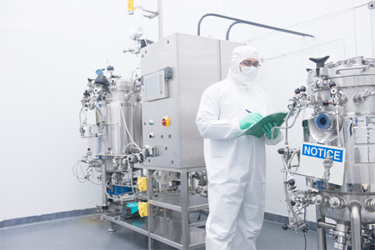
A successful batch manufacturing system relies on several interconnected components working together smoothly. These components ensure that pharmaceutical products are produced consistently, safely, and according to approved specifications. While the specific details may vary depending on the type of drug being manufactured, the fundamental structure of batch processing remains largely the same across the industry.
The first critical component is raw material control. Every pharmaceutical product begins with active pharmaceutical ingredients (APIs) and excipients. These materials must be carefully tested, approved, and stored under controlled conditions before being used in manufacturing. During batch production, operators weigh exact quantities according to the Master Formula Record (MFR). Even a minor deviation can affect the final product quality.
The second component is equipment and processing systems. Pharmaceutical facilities use specialized equipment such as mixers, granulators, reactors, tablet presses, and coating machines. Each piece of equipment must be validated to ensure it performs consistently. In batch manufacturing, equipment is typically cleaned and inspected between batches to prevent cross-contamination.
Another essential component is process control and monitoring. During production, operators monitor various parameters such as temperature, pressure, mixing speed, and processing time. These conditions must stay within predefined limits to maintain product quality. Many modern pharmaceutical facilities use automated control systems that record these parameters digitally during batch processing.
Documentation forms the backbone of batch manufacturing. Every step—from material dispensing to packaging—must be recorded. The Batch Manufacturing Record (BMR) serves as the official document that captures all manufacturing details. Quality assurance teams review the BMR before approving the batch for release.
Quality testing is another key component. Samples taken from the batch undergo rigorous analysis in pharmaceutical laboratories. Tests may include:
Assay and potency analysis
Dissolution testing
Microbial contamination checks
Stability testing
These tests confirm that the product meets regulatory standards before it reaches the market.
Finally, trained personnel play a crucial role in batch manufacturing. Operators, supervisors, quality analysts, and engineers all contribute to the production process. Their expertise ensures that each batch follows the approved manufacturing procedures and maintains consistent quality.
When these components work together effectively, batch manufacturing becomes a reliable system for producing high-quality medicines. This structured approach is why the pharmaceutical industry continues to rely on batch production despite advances in continuous manufacturing technologies.
Raw Materials and Ingredients
Raw materials form the foundation of every batch manufacturing process. In pharmaceutical production, these materials include both Active Pharmaceutical Ingredients (APIs) and excipients. APIs provide the therapeutic effect of the medicine, while excipients support stability, absorption, and product formulation.
Before entering the manufacturing process, raw materials must pass strict quality checks. Pharmaceutical companies test materials for identity, purity, potency, and contamination. Only materials that meet approved specifications are released for production. This step ensures that the final product maintains consistent quality and safety.
In batch manufacturing, the quantity of each ingredient is precisely calculated based on the batch size. For example, if a formula requires 500 mg of API per tablet and the batch size is 100,000 tablets, the total API required must be accurately calculated. Any mistake during weighing could affect the entire batch.
Dispensing and weighing typically occur in controlled environments known as dispensing rooms. These rooms maintain strict environmental conditions to prevent contamination. Operators use calibrated balances to measure ingredients accurately. Each measurement is recorded in the Batch Manufacturing Record, ensuring full traceability.
Pharmaceutical formulations often include several excipients such as:
| Excipient Type | Purpose |
|---|---|
| Binder | Helps ingredients stick together |
| Disintegrant | Allows tablets to break down in the body |
| Lubricant | Reduces friction during tablet compression |
| Diluent | Increases tablet volume for easier handling |
Managing these ingredients correctly is critical for successful batch manufacturing. Even slight variations can affect the drug’s stability, dissolution rate, or therapeutic effectiveness.
For pharmaceutical professionals and students learning through pharmacalculations.in, mastering raw material calculations is essential. Accurate formula calculations ensure that each batch manufacturing cycle produces consistent and safe pharmaceutical products.
Equipment and Processing Units
In pharmaceutical batch manufacturing, equipment and processing units are the backbone of the entire production workflow. Even if the formula is perfect and the raw materials meet quality standards, poorly maintained or unsuitable equipment can compromise the entire batch. That’s why pharmaceutical facilities invest heavily in validated machines designed specifically for drug production. Each piece of equipment must operate consistently, safely, and according to strict regulatory standards.
Pharmaceutical production typically involves multiple stages such as mixing, granulation, drying, compression, coating, and packaging. Each stage uses specialized equipment designed to handle precise quantities of materials. Because batch manufacturing works with defined quantities of product, machines must be capable of processing materials in controlled batches without causing contamination or variation in the final product.
Before using any equipment in production, it must pass equipment qualification and validation processes. These include Installation Qualification (IQ), Operational Qualification (OQ), and Performance Qualification (PQ). These steps confirm that the equipment operates correctly and produces consistent results. Without proper validation, a pharmaceutical company cannot legally manufacture products under regulatory guidelines.
Some of the most common equipment used in batch manufacturing includes:
Rapid Mixer Granulator (RMG) – Used for mixing powders and forming granules.
Fluid Bed Dryer (FBD) – Removes moisture from granules after wet granulation.
Tablet Compression Machine – Compresses powder or granules into tablets.
Coating Pan or Auto Coater – Applies protective or functional coatings to tablets.
Blenders and Mixers – Ensure uniform distribution of ingredients.
Capsule Filling Machine – Used for filling capsules with powder or granules.
Each piece of equipment must also be cleaned thoroughly before starting a new batch. This process is known as cleaning validation, and it ensures that residues from previous batches do not contaminate the next product. Cross-contamination can lead to serious safety risks, especially when manufacturing potent drugs.
Modern pharmaceutical plants are increasingly integrating automated process monitoring systems into their batch manufacturing equipment. These systems track parameters such as temperature, pressure, mixing speed, and processing time. Operators can detect deviations instantly and take corrective action before product quality is affected.
Proper maintenance is another critical factor. Equipment used in batch manufacturing must undergo routine inspections and preventive maintenance to avoid breakdowns during production. If a machine fails during a batch process, it can cause significant financial loss and may require the batch to be discarded.
When all equipment functions properly and is maintained according to GMP standards, batch manufacturing becomes a highly reliable method for producing consistent pharmaceutical products. For industry professionals, understanding equipment operations is just as important as understanding formulas and calculations.
Batch Manufacturing Formula and Calculation
One of the most important aspects of pharmaceutical batch manufacturing is accurate formula calculation. Medicines require extremely precise ingredient quantities to ensure safety and effectiveness. Even a small error in calculations can alter the dosage strength of a drug and compromise patient safety.
Pharmaceutical companies use a standardized document called the Master Formula Record (MFR) to define the exact composition and manufacturing steps for each product. The MFR contains detailed instructions about the quantity of raw materials required for a specific batch size. During production, operators follow these instructions carefully to prepare the batch.
For example, consider a tablet containing 500 mg of active ingredient. If the company wants to produce 100,000 tablets, the total quantity of active ingredient must be calculated accurately. The formula for calculating the required quantity in batch manufacturing is simple but extremely important.
Basic Batch Manufacturing Calculation Formula
| Parameter | Example Value |
|---|---|
| Dose per tablet | 500 mg |
| Number of tablets | 100,000 |
| Total API required | 50,000,000 mg (50 kg) |
This calculation ensures the correct quantity of API manufacturing is dispensed for the batch. However, manufacturers often include an additional percentage known as process loss allowance to account for material loss during processing.
Pharmaceutical calculations in batch manufacturing usually involve several important steps:
Determining batch size based on production requirements.
Calculating total API required for the batch.
Calculating excipient quantities proportionally.
Adding manufacturing overage if required.
Verifying calculations through quality control checks.
Accurate calculations ensure consistency across batches. When every batch uses the same formula and process parameters, manufacturers can maintain uniform product quality over time.
Students and professionals often practice these calculations because they are essential for pharmaceutical manufacturing roles. Websites like pharmacalculations.in help learners understand how dosage formulas translate into real production batches.
When done correctly, batch manufacturing calculations ensure that each tablet, capsule, or syrup bottle contains the exact intended dose. This precision is what allows pharmaceutical companies to produce safe and effective medicines at large scale.
Master Formula Record (MFR)
The Master Formula Record (MFR) is one of the most important documents in pharmaceutical batch manufacturing. It serves as the official blueprint for producing a specific pharmaceutical product. Without the MFR, manufacturing teams would not have standardized instructions to follow, which could lead to inconsistencies and quality issues.
The MFR is prepared by pharmaceutical development scientists and approved by quality assurance teams before production begins. Once approved, it becomes the reference document for all future batches of that product. Every batch manufactured must follow the same instructions described in the MFR and PFD.
A typical Master Formula Record contains detailed information such as:
Product name and dosage form
Strength of the drug (e.g., 500 mg tablet)
Complete list of raw materials and quantities
Step-by-step manufacturing instructions
Equipment required for each stage
Environmental conditions during production
Expected yield of the batch
In-process quality checks
Because batch manufacturing relies on precise documentation, the MFR ensures that every batch is produced using the same formula and process conditions. This helps maintain consistency in product quality across multiple production runs.
Another important aspect of the MFR is its role in regulatory compliance. During inspections, regulatory authorities often review the Master Formula Record to verify that manufacturing procedures meet approved standards. If the MFR is incomplete or inaccurate, the company may face regulatory warnings or production delays.
Pharmaceutical companies also update the MFR whenever process improvements occur. For example, if a manufacturer upgrades equipment or modifies processing parameters to improve efficiency, these changes must be reflected in the revised MFR. Quality assurance teams carefully review and approve any modifications before implementation.
In many modern pharmaceutical plants, the MFR is stored in digital manufacturing systems instead of paper documents. These systems help ensure that operators always access the latest approved version of the formula. Digital records also improve traceability and reduce the risk of documentation errors.
Overall, the Master Formula Record acts as the foundation of pharmaceutical batch manufacturing. It ensures that every batch is produced using standardized methods, which ultimately protects product quality and patient safety.
Batch Manufacturing Record (BMR)
While the Master Formula Record provides instructions, the Batch Manufacturing Record (BMR) documents what actually happens during production. In pharmaceutical batch manufacturing, the BMR acts as the official record of each batch produced in the facility.
Every step of the manufacturing process is recorded in the BMR, including raw material dispensing, equipment used, processing times, and quality control results. Operators must document their actions carefully and sign the record to confirm that procedures were followed correctly.
The Batch Manufacturing Record typically includes several key sections:
Batch number and manufacturing date
Names of operators and supervisors
Raw material batch numbers and quantities used
Equipment identification numbers
Processing parameters such as temperature and mixing time
In-process quality test results
Final yield of the batch
Packaging details
One of the main advantages of batch manufacturing is the traceability provided by the BMR. If a product defect occurs or a customer complaint arises, the company can review the BMR to investigate what happened during production. This helps identify the root cause and prevent similar issues in future batches.
Quality assurance teams review the BMR carefully before releasing a batch to the market. They verify that all steps were completed correctly and that no deviations occurred during manufacturing. If any deviations are found, an investigation must take place before the batch can be approved.
Regulatory authorities also rely heavily on the Batch Manufacturing Record during inspections. Inspectors examine these documents to ensure that pharmaceutical companies follow Good Manufacturing Practices (GMP). Incomplete or inaccurate records can lead to regulatory penalties or product recalls.
In recent years, many pharmaceutical companies have transitioned to Electronic Batch Records (EBR). These digital systems automatically capture manufacturing data from equipment and reduce manual documentation errors. Electronic systems also improve efficiency and compliance with regulatory requirements.
Ultimately, the Batch Manufacturing Record is a critical part of pharmaceutical batch manufacturing because it provides a complete history of how each batch was produced. This documentation ensures transparency, accountability, and product quality throughout the manufacturing process.
Step-by-Step Batch Manufacturing Process in Pharma
The batch manufacturing process in the pharmaceutical industry follows a structured sequence of stages designed to ensure that every product meets strict quality, safety, and regulatory requirements. Each stage is carefully documented and monitored so that manufacturers can maintain consistency between batches. Unlike other industries where production might be flexible, pharmaceutical batch manufacturing must follow validated procedures with minimal deviation.
A typical pharmaceutical batch moves through several controlled stages, starting from raw material dispensing and ending with packaging and final quality release. Each step is essential because even a small mistake can compromise the entire batch. For this reason, trained operators, pharmacists, engineers, and quality assurance professionals work together throughout the process.
The major stages involved in batch manufacturing include:
Raw material dispensing and weighing
Mixing or granulation of ingredients
Drying and milling processes
Compression or filling into dosage forms
Coating and finishing operations
In-process quality testing
Packaging and labeling
Final batch release
Each stage must follow the procedures defined in the Master Formula Record (MFR). During production, operators document all activities in the Batch Manufacturing Record (BMR). This documentation ensures that the batch can be traced and evaluated later if needed.
One of the defining characteristics of batch manufacturing is the ability to monitor product quality at multiple checkpoints. Instead of waiting until the end of production, manufacturers perform in-process testing to verify parameters such as weight variation, moisture content, hardness, and dissolution rate. These tests allow production teams to correct problems immediately before they escalate.
The step-by-step structure also supports regulatory compliance. Pharmaceutical regulatory authorities require manufacturers to validate each stage of the process to prove that it consistently produces high-quality products. Validation studies often involve running several trial batches to confirm that the process works reliably.
Another advantage of this structured process is flexibility. If a company needs to manufacture multiple drug formulations, batch manufacturing allows production lines to switch between products after cleaning and validation. This makes the system suitable for pharmaceutical companies producing a wide range of medications.
Understanding the detailed batch manufacturing workflow is essential for pharmacy students, pharmaceutical engineers, and production chemists. It bridges the gap between theoretical pharmaceutical science and real industrial production. By mastering this process, professionals can ensure that every batch of medicine delivered to patients maintains the highest standards of safety and effectiveness.
Dispensing and Weighing
The dispensing and weighing stage is the starting point of every pharmaceutical batch manufacturing process. This step may seem simple, but it is actually one of the most critical stages in production. Accurate measurement of raw materials determines whether the final product will contain the correct dosage strength and maintain consistent quality.
In pharmaceutical manufacturing facilities, dispensing typically takes place in a dedicated dispensing area designed to prevent contamination and ensure controlled environmental conditions. These areas are equipped with specialized ventilation systems, dust collectors, and air pressure controls to maintain cleanliness.
Operators responsible for dispensing must follow strict procedures when measuring raw materials. They use calibrated analytical balances to weigh ingredients according to the quantities specified in the Master Formula Record (MFR). Every measurement is recorded in the Batch Manufacturing Record to maintain traceability.
Several important activities take place during the dispensing stage:
Verification of raw material identity before use
Checking material approval status from quality control
Accurate weighing using calibrated balances
Labeling dispensed materials with batch details
Recording data in the batch manufacturing record
Double verification by supervisors or quality personnel
One of the biggest risks during batch manufacturing is incorrect weighing of ingredients. If too much or too little of an active pharmaceutical ingredient is used, the drug may become unsafe or ineffective. To prevent such errors, pharmaceutical facilities often implement two-person verification systems, where another trained operator confirms the measurements.
Environmental control also plays an important role during dispensing. Many pharmaceutical ingredients are sensitive to humidity and temperature. Maintaining controlled conditions ensures that materials remain stable before entering the next stage of manufacturing.
Another key aspect of this stage is material traceability. Each raw material container has a unique identification number, which is recorded during dispensing. This allows manufacturers to track the origin of every ingredient used in a batch.
By ensuring precise measurement and proper documentation, the dispensing stage sets the foundation for a successful batch manufacturing process. Any mistake at this point can affect the entire production cycle, which is why pharmaceutical companies treat this step with extreme attention and care.
Processing and Mixing
After raw materials are accurately dispensed, the next stage in batch manufacturing is processing and mixing. This stage involves combining the active ingredient with excipients to create a uniform mixture that can be transformed into the final dosage form. Achieving uniformity is crucial because every tablet or capsule must contain the same amount of active ingredient.
Processing methods vary depending on the type of pharmaceutical product being manufactured. For tablets and capsules, manufacturers often use granulation processes to improve powder flow and compressibility. Granulation helps convert fine powders into larger granules that are easier to handle during production.
There are two primary granulation techniques used in pharmaceutical batch manufacturing:
| Granulation Method | Description |
|---|---|
| Wet Granulation | Uses liquid binders to form granules |
| Dry Granulation | Uses mechanical pressure without liquid |
During wet granulation, powders are mixed with a binder solution using equipment such as a Rapid Mixer Granulator (RMG). The mixture forms moist granules, which are then dried in a Fluid Bed Dryer (FBD) to remove excess moisture. Once dried, the granules are milled to achieve uniform particle size.
Dry granulation, on the other hand, is used when the drug substance is sensitive to moisture or heat. In this process, powders are compressed into slugs or sheets and then milled into granules.
After granulation, the mixture undergoes a blending process. Blenders such as V-blenders, double-cone blenders, or bin blenders ensure that all ingredients are evenly distributed throughout the batch. Uniform mixing is essential because uneven distribution can lead to dosage variation between tablets.
Processing parameters are closely monitored during this stage. Operators track variables such as:
Mixing speed
Granulation time
Moisture content
Temperature conditions
Particle size distribution
All these parameters are recorded in the Batch Manufacturing Record. If any deviation occurs, production may need to stop until the issue is investigated.
Effective processing and mixing ensure that the product maintains consistent quality throughout the batch manufacturing cycle. Without proper mixing, even the most carefully calculated formulation could produce inconsistent or ineffective medicines.
Quality Testing
Quality testing is one of the most important stages in pharmaceutical batch manufacturing because it determines whether a product is safe for patient use. Every batch produced in a pharmaceutical facility must undergo rigorous testing before it can be released to the market.
Quality testing occurs at several points during production. Some tests are conducted during the manufacturing process, known as in-process testing, while others are performed after the batch is completed. This multi-layered approach helps identify problems early and prevent defective products from reaching consumers.
Common in-process quality tests performed during batch manufacturing include:
Tablet weight variation
Tablet hardness testing
Thickness measurement
Disintegration time
Moisture content analysis
These tests ensure that the product remains within acceptable quality limits during production. If results fall outside the specified range, operators can adjust processing parameters immediately.
After manufacturing is complete, the batch moves to the quality control laboratory for final testing. Analytical chemists perform detailed tests to confirm the product meets all regulatory specifications. These tests often include:
| Test Type | Purpose |
|---|---|
| Assay Test | Measures the amount of active ingredient |
| Dissolution Test | Evaluates drug release in the body |
| Microbial Test | Checks for contamination |
| Stability Testing | Determines shelf life |
According to pharmaceutical regulations, a batch cannot be released until the Quality Assurance (QA) department reviews all test results and documentation. QA ensures that the Batch Manufacturing Record is complete and that no deviations occurred during production.
Quality testing is essential because medicines directly affect human health. Even small variations in dosage or contamination can cause serious consequences. By performing strict quality checks, pharmaceutical companies ensure that every batch manufacturing cycle produces safe and effective products.
For students and professionals learning pharmaceutical calculations and manufacturing principles, understanding these testing procedures is extremely important. It highlights how theoretical calculations translate into real-world product quality and patient safety.
Advantages of Batch Manufacturing in Pharmaceutical Industry
The widespread adoption of batch manufacturing in the pharmaceutical industry is not accidental. This manufacturing method has proven to be reliable, flexible, and compliant with strict regulatory standards. Pharmaceutical companies rely on batch production because it allows them to maintain high levels of quality control while producing complex drug formulations. Even with modern innovations in manufacturing technology, batch production still remains the backbone of most pharmaceutical facilities worldwide.
One of the biggest advantages of batch manufacturing is product consistency. Each batch is produced using a standardized formula, equipment setup, and operating procedure. This ensures that medicines produced today have the same composition and therapeutic effect as those produced months later. Consistency is extremely important in pharmaceuticals because even slight variations in dosage can affect treatment outcomes.
Another major benefit is traceability. In batch production, every product is assigned a batch number that connects it to its raw materials, processing conditions, and quality test results. This traceability allows manufacturers to quickly investigate any issues that arise. If a problem occurs, the affected batch can be identified and isolated without affecting other production runs.
Flexibility is another reason pharmaceutical companies prefer batch manufacturing. Unlike continuous manufacturing systems that focus on producing one product continuously, batch systems allow manufacturers to switch between different drugs. After completing one batch, equipment can be cleaned and prepared for another formulation. This flexibility is especially valuable for companies producing a wide range of medications.
The advantages of batch manufacturing include:
Better quality control – Each batch can be tested before release.
Easier product recall – Only the affected batch needs to be recalled.
Production flexibility – Multiple products can be manufactured using the same equipment.
Improved documentation – Detailed records ensure regulatory compliance.
Lower risk of widespread contamination – Issues remain limited to a single batch.
Scalability – Manufacturers can increase production by increasing batch size or frequency.
Batch manufacturing also allows companies to perform process optimization. If improvements are needed in the formulation or processing method, manufacturers can test those changes in a small batch before applying them to large-scale production. This gradual improvement approach reduces the risk associated with major process changes.
In addition, batch production helps pharmaceutical companies manage inventory and supply chain planning. By producing medicines in batches, companies can schedule production according to market demand. This prevents overproduction and reduces waste.
Overall, the advantages of batch manufacturing make it an ideal system for pharmaceutical production. Its combination of flexibility, traceability, and regulatory compatibility ensures that manufacturers can produce high-quality medicines while maintaining strict control over the entire process.
Limitations of Batch Manufacturing
Despite its many benefits, batch manufacturing also has certain limitations. Understanding these challenges is important for pharmaceutical professionals because it helps them improve production efficiency and explore alternative manufacturing methods when necessary.
One limitation of batch manufacturing is long production time. Each batch must go through several stages such as dispensing, mixing, drying, compression, coating, testing, and packaging. After completing one batch, equipment often needs to be cleaned and prepared before the next batch begins. This cleaning and setup time can slow down overall production speed.
Another challenge is higher labor requirements. Batch production involves multiple manual steps such as weighing ingredients, recording data in batch records, and performing in-process inspections. These activities require trained personnel and increase operational costs for pharmaceutical companies.
Batch manufacturing can also lead to higher material losses. During processing stages such as mixing, granulation, and transfer, some amount of material may be lost. While manufacturers account for this through overage calculations, it still represents a potential inefficiency in the production process.
Key limitations of batch manufacturing include:
Longer production cycles due to multiple stages.
Frequent equipment cleaning between batches.
Higher labor costs compared to automated systems.
Material losses during processing.
Batch-to-batch variability if processes are not tightly controlled.
Complex documentation requirements.
Another issue with batch production is scalability challenges. When demand for a particular drug increases significantly, manufacturers may need to produce multiple batches instead of running a continuous production process. This can increase workload and production costs.
Documentation requirements can also be demanding. Pharmaceutical regulations require companies to maintain detailed Batch Manufacturing Records for every batch produced. Preparing and reviewing these records takes time and resources, especially in facilities that rely on paper-based documentation systems.
Technological advancements are helping reduce some of these limitations. Many pharmaceutical companies are adopting electronic batch records and automated manufacturing systems to streamline production and reduce manual errors. Even so, the basic structure of batch manufacturing still involves multiple steps and careful monitoring.
Understanding both the strengths and limitations of batch manufacturing helps pharmaceutical companies design efficient production strategies. By improving equipment technology, automation, and process validation, manufacturers can minimize the drawbacks while continuing to benefit from the reliability of batch production.
Batch Manufacturing vs Continuous Manufacturing
In pharmaceutical production, two major manufacturing methods are commonly discussed: batch manufacturing and continuous manufacturing. Both systems aim to produce high-quality medicines, but they differ significantly in their production approach, efficiency, and operational structure.
In batch manufacturing, production occurs in fixed quantities called batches. Each batch goes through a complete production cycle before the next batch begins. This method allows manufacturers to maintain strong control over quality and documentation.
In contrast, continuous manufacturing involves nonstop production. Raw materials enter the system continuously, and finished products are produced without interruption. This method is widely used in industries like petrochemicals and food processing, but it is still relatively new in the pharmaceutical sector.
The main differences between these two systems can be summarized in the following comparison table:
| Feature | Batch Manufacturing | Continuous Manufacturing |
|---|---|---|
| Production Method | Fixed quantity per batch | Continuous production flow |
| Flexibility | High flexibility for multiple products | Limited flexibility |
| Quality Control | Testing for each batch | Real-time monitoring |
| Equipment Cleaning | Required between batches | Less frequent cleaning |
| Documentation | Detailed batch records | Automated monitoring systems |
| Production Speed | Slower compared to continuous systems | Faster large-scale production |
Pharmaceutical companies often prefer batch manufacturing because of its strong compatibility with regulatory requirements. Batch records provide clear documentation that regulatory authorities can easily review. This transparency is essential for maintaining compliance with global pharmaceutical regulations.
However, continuous manufacturing offers certain advantages, especially for high-demand drugs. Continuous systems can operate for extended periods without interruption, reducing downtime and increasing production efficiency. Some pharmaceutical companies are beginning to adopt hybrid models that combine elements of both manufacturing methods.
Despite these developments, batch manufacturing remains the dominant approach in pharmaceutical production. The ability to produce different drugs using the same equipment and maintain clear batch documentation makes it highly practical for most pharmaceutical facilities.
Experts predict that future pharmaceutical manufacturing may gradually integrate more continuous technologies. Still, batch production will likely remain essential for specialized products, clinical trial batches, and smaller production runs.
Role of GMP in Batch Manufacturing
Good Manufacturing Practices (GMP) play a central role in ensuring that batch manufacturing processes produce safe, effective, and high-quality pharmaceutical products. GMP guidelines are established by regulatory authorities to ensure that pharmaceutical companies maintain strict standards during drug production.
In batch production, GMP requirements cover every stage of manufacturing—from raw material sourcing to final product release. These regulations ensure that medicines are produced consistently and meet the required quality specifications.
Key GMP principles applied to batch manufacturing include:
Proper documentation of manufacturing activities
Validation of equipment and production processes
Training of manufacturing personnel
Maintenance of clean and controlled production environments
Calibration of measuring instruments
Strict quality control testing procedures
One of the most important GMP requirements is maintaining accurate Batch Manufacturing Records. These records provide a complete history of each production batch and help regulators verify that the manufacturing process was followed correctly.
GMP guidelines also emphasize process validation, which proves that a manufacturing process consistently produces products that meet predetermined specifications. Validation typically involves producing several consecutive batches and analyzing their results to confirm consistency.
Environmental control is another critical aspect of GMP compliance. Pharmaceutical manufacturing areas must maintain strict conditions related to air quality, temperature, humidity, and contamination control. These conditions ensure that the manufacturing process does not introduce impurities into the final product.
Personnel training is equally important. Employees involved in batch manufacturing must understand their responsibilities and follow standard operating procedures precisely. Regular training sessions help ensure that workers remain updated on regulatory requirements and manufacturing practices.
Failure to comply with GMP regulations can lead to serious consequences, including product recalls, regulatory penalties, and facility shutdowns. Because of this, pharmaceutical companies invest heavily in quality assurance systems that monitor every stage of batch production.
Ultimately, GMP guidelines ensure that batch manufacturing processes maintain the highest standards of quality and safety. These regulations protect patients by ensuring that every medicine released into the market meets strict pharmaceutical standards.
Digital Transformation in Batch Manufacturing
The pharmaceutical industry is experiencing a major shift as digital technologies begin to reshape traditional batch manufacturing processes. For decades, pharmaceutical production relied heavily on paper-based records, manual monitoring, and operator-driven processes. While these methods worked effectively, they often required significant time, labor, and documentation management. Digital transformation is now helping companies modernize batch production, improve efficiency, and reduce human error.
One of the most significant advancements in modern batch manufacturing is the introduction of Electronic Batch Records (EBR). Instead of writing manufacturing details on paper documents, operators now record production data digitally through integrated manufacturing systems. These systems automatically capture process parameters from equipment, reducing the risk of manual recording mistakes. Electronic records also make it easier for quality assurance teams to review production data quickly.
Another important digital innovation is the use of Manufacturing Execution Systems (MES). MES software connects production equipment, quality control systems, and enterprise management software into a single platform. This allows pharmaceutical companies to monitor batch production in real time and detect deviations immediately.
Digital transformation in batch manufacturing provides several key benefits:
Real-time monitoring of production parameters
Reduced documentation errors
Faster batch record review and approval
Improved regulatory compliance
Better traceability of raw materials and finished products
Automated alerts when deviations occur
Pharmaceutical manufacturers are also integrating data analytics and artificial intelligence (AI) into their production systems. These technologies analyze historical batch data to identify patterns and optimize manufacturing processes. For example, AI can help predict equipment maintenance needs or detect trends that might lead to product quality issues.
Another important technological advancement is Process Analytical Technology (PAT). PAT tools allow manufacturers to monitor critical quality attributes during production rather than waiting until the end of the batch. This real-time analysis helps improve product consistency and reduces the likelihood of batch failures.
The transition toward digital systems is particularly beneficial for large pharmaceutical facilities that produce hundreds of batches every year. Managing paper-based documentation for such large volumes can be extremely challenging. Digital platforms simplify record management and allow faster regulatory inspections because all data can be accessed electronically.
Despite these advantages, implementing digital technologies in batch manufacturing requires significant investment and training. Companies must ensure that employees understand how to operate new systems and follow updated procedures. Regulatory authorities also require validation of digital systems to confirm their reliability.
As pharmaceutical manufacturing continues to evolve, digital transformation will play a critical role in enhancing the efficiency and accuracy of batch manufacturing processes. These technologies not only streamline production but also strengthen quality control and regulatory compliance.
Future of Batch Manufacturing in Pharma
The future of pharmaceutical batch manufacturing is expected to evolve alongside advancements in automation, digital technology, and process optimization. Although newer manufacturing approaches such as continuous manufacturing are gaining attention, batch production will likely remain a central method for pharmaceutical manufacturing for many years to come.
One reason batch manufacturing will continue to dominate is its adaptability. Pharmaceutical companies produce a wide variety of drugs with different formulations, strengths, and dosage forms. Batch systems allow manufacturers to switch between these products with relative ease after proper cleaning and validation. This flexibility is particularly important for companies that manufacture multiple medicines in the same facility.
The future of batch production will likely focus on improving efficiency and quality control through advanced technologies. Automation is already playing a major role in reducing manual tasks during production. Automated dispensing systems, robotic packaging lines, and computerized monitoring tools are helping pharmaceutical facilities streamline operations.
Several emerging trends are shaping the future of batch manufacturing:
Greater automation in manufacturing processes
Adoption of artificial intelligence for process optimization
Use of advanced sensors for real-time quality monitoring
Integration of digital manufacturing platforms
Improved data analytics for production forecasting
Development of hybrid manufacturing models
Hybrid manufacturing models combine elements of both batch manufacturing and continuous manufacturing. In such systems, certain production stages may operate continuously while others remain batch-based. This approach allows pharmaceutical companies to maintain flexibility while improving efficiency.
Another important development is the growth of personalized medicine. As treatments become more tailored to individual patients, smaller production batches may become more common. Batch manufacturing is well suited for this type of production because it allows companies to produce smaller quantities of specialized drugs while maintaining strict quality control.
Environmental sustainability is also becoming an important consideration in pharmaceutical production. Manufacturers are exploring ways to reduce energy consumption, minimize waste, and improve resource efficiency during batch manufacturing processes. Green manufacturing practices are expected to play a bigger role in the industry’s future.
Regulatory authorities are also encouraging innovation while maintaining strict safety standards. Agencies like the FDA are supporting the adoption of advanced manufacturing technologies that improve product quality and manufacturing efficiency.
Although pharmaceutical manufacturing will continue to evolve, batch manufacturing will remain a fundamental component of drug production. Its proven reliability, strong regulatory compatibility, and adaptability make it an essential system for producing safe and effective medicines worldwide.
Conclusion
Batch manufacturing has long been the backbone of pharmaceutical production. By producing medicines in controlled quantities, this manufacturing method ensures consistent quality, traceability, and regulatory compliance. Pharmaceutical companies rely on batch systems because they provide a structured approach to managing complex drug formulations and maintaining strict quality standards.
Throughout the pharmaceutical manufacturing process, each batch passes through several carefully controlled stages. These stages include raw material dispensing, mixing and processing, quality testing, packaging, and final product release. Every step is documented in detailed records such as the Master Formula Record (MFR) and Batch Manufacturing Record (BMR). These documents ensure transparency and allow manufacturers to trace the history of every batch produced.
One of the strongest advantages of batch manufacturing is its ability to maintain product consistency while allowing production flexibility. Pharmaceutical companies can manufacture multiple drugs using the same equipment by scheduling production batches sequentially. This makes batch production ideal for facilities producing diverse product lines.
At the same time, batch manufacturing continues to evolve through technological advancements. Digital tools such as electronic batch records, automated monitoring systems, and process analytical technologies are helping manufacturers improve efficiency and reduce errors. These innovations are transforming traditional batch production into a more streamlined and data-driven process.
Even as continuous manufacturing technologies gain attention, batch production remains the most widely used method in the pharmaceutical industry. Its compatibility with regulatory requirements and its ability to support complex formulations make it indispensable for drug manufacturing.
For professionals, students, and researchers exploring pharmaceutical production through pharmacalculations.in, understanding batch manufacturing is essential. It connects pharmaceutical theory with real-world manufacturing practices and highlights how precise calculations, controlled processes, and strict quality standards come together to produce safe and effective medicines.
Frequently Asked Questions (FAQs)
1. What is batch manufacturing in pharmaceuticals?
Batch manufacturing is a production method where pharmaceutical products are manufactured in fixed quantities called batches. Each batch follows the same formula, equipment setup, and processing steps to ensure consistent quality and safety.
2. What is the difference between MFR and BMR?
The Master Formula Record (MFR) contains the approved instructions and formula for manufacturing a product. The Batch Manufacturing Record (BMR) documents the actual production details for a specific batch, including materials used, processing conditions, and quality results.
3. Why is batch manufacturing important in the pharmaceutical industry?
Batch manufacturing is important because it ensures traceability, quality control, and regulatory compliance. It allows manufacturers to test each batch before release and easily recall products if a defect is identified.
4. What are the main steps involved in batch manufacturing?
The main steps in pharmaceutical batch manufacturing include:
Raw material dispensing and weighing
Mixing and granulation
Drying and blending
Compression or filling into dosage forms
Quality testing
Packaging and labeling
5. What are the advantages of batch manufacturing?
Some key advantages of batch manufacturing include:
High product quality control
Easy traceability and batch recall
Flexible production for multiple products
Strong compliance with pharmaceutical regulations