Quality, safety, and efficacy are the foundations of every pharmaceutical product that reaches a patient. Medicines are not ordinary consumer goods; they directly affect human health and life. Because of this, pharmaceutical manufacturing is governed by some of the strictest regulations in the world. At the center of these regulations lies GMP in pharmaceuticals, a system designed to ensure that medicines are consistently produced and controlled according to approved quality standards.
GMP in pharmaceuticals is not limited to testing the final product. Instead, it focuses on controlling every step of the manufacturing process, from raw material selection to packaging and distribution. This preventive approach reduces risks such as contamination, mix-ups, errors, and data manipulation. For pharmaceutical companies, GMP compliance is not only a legal obligation but also a moral responsibility toward patients.
This article provides a comprehensive explanation of GMP in pharmaceuticals, covering its meaning, objectives, principles, global guidelines, compliance requirements, inspection expectations, benefits, challenges, and future trends. Practical insights from the API manufacturing perspective are included to make the concepts easy to understand and relevant for real-world pharmaceutical operations.
What Is GMP in Pharmaceuticals?
GMP in pharmaceuticals stands for Good Manufacturing Practice, a set of regulations and guidelines that ensure pharmaceutical products are manufactured in a controlled and consistent manner. The primary goal of GMP is to guarantee that medicines are safe, effective, and of the quality they claim to be.
Under GMP in pharmaceuticals, quality is built into the process rather than tested only at the end. This means that manufacturing activities must follow approved procedures, equipment must be qualified, personnel must be trained, and documentation must be accurate and complete. Any deviation from approved processes must be investigated, documented, and corrected.
In simple terms, GMP in pharmaceuticals ensures that every batch of medicine is produced under conditions that minimize risk and maximize patient safety. It applies to all stages of the pharmaceutical product life cycle, including manufacturing, packaging, labeling, storage, and distribution.
Objectives of GMP in Pharmaceuticals
The objectives of GMP in pharmaceuticals are directly linked to patient safety and regulatory compliance. These objectives guide how pharmaceutical companies design their systems and processes.
The first objective is to ensure consistent product quality. Medicines must meet predefined specifications for identity, strength, purity, and quality. GMP in pharmaceuticals ensures that these specifications are achieved batch after batch.
The second objective is risk prevention. GMP focuses on preventing contamination, cross-contamination, mix-ups, and errors rather than detecting them after they occur. This preventive philosophy is a key strength of GMP in pharmaceuticals.
The third objective is regulatory compliance. Health authorities around the world require pharmaceutical manufacturers to comply with GMP regulations before granting product approvals or manufacturing licenses.
The fourth objective is traceability and accountability. GMP in pharmaceuticals requires complete documentation so that every activity can be traced and verified during audits or investigations.
Historical Background of GMP in Pharmaceuticals
The evolution of GMP in pharmaceuticals is closely tied to historical public health incidents. In the early days of medicine manufacturing, there were limited regulations, and quality controls were minimal. This led to serious tragedies that highlighted the need for strict manufacturing standards.
One of the most notable incidents was the 1937 sulfanilamide disaster in the United States, where a toxic solvent caused over one hundred deaths. Another major event was the thalidomide tragedy in the 1960s, which resulted in severe birth defects due to inadequate testing and controls. These incidents forced regulators to recognize that quality cannot be tested into products after manufacturing.
As a result, GMP in pharmaceuticals emerged as a systematic approach to quality assurance. Over time, GMP guidelines became more detailed, harmonized, and globally enforced, forming the backbone of modern pharmaceutical regulation.
Core Principles of GMP in Pharmaceuticals
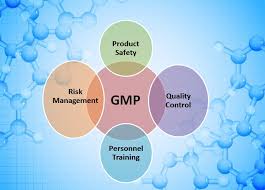
GMP in pharmaceuticals is built on several core principles that apply across all dosage forms and manufacturing environments.
Quality Management System
A strong Quality Management System is the foundation of GMP in pharmaceuticals. It defines quality policies, objectives, responsibilities, and processes. Management commitment is essential, as quality culture must be driven from the top.
Personnel and Training
People play a critical role in pharmaceutical manufacturing. GMP in pharmaceuticals requires that personnel are qualified, trained, and aware of their responsibilities. Continuous training ensures that employees understand GMP requirements and follow procedures correctly.
Premises and Facilities
Facility design and maintenance are crucial under GMP in pharmaceuticals. Premises must be designed to prevent contamination, allow logical material and personnel flow, and support effective cleaning and maintenance.
Equipment Qualification
All equipment used in pharmaceutical manufacturing must be qualified, calibrated, and maintained. GMP in pharmaceuticals requires documented evidence that equipment performs as intended and does not compromise product quality.
Documentation and Records
Documentation is a central element of GMP in pharmaceuticals. Standard operating procedures, batch records, logbooks, and reports must be accurate, legible, and complete. Proper documentation ensures traceability and data integrity.
Production and Process Control
Manufacturing operations must follow approved procedures. GMP in pharmaceuticals requires control of critical process parameters, in-process testing, and validated manufacturing processes.
Quality Control
Quality control activities support GMP in pharmaceuticals by testing raw materials, intermediates, and finished products. However, testing alone cannot replace robust manufacturing controls.
Cleaning and Sanitation
Validated cleaning procedures are essential to prevent cross-contamination. GMP in pharmaceuticals requires documented cleaning methods, acceptance limits, and routine monitoring.
Deviation and CAPA Management
When deviations occur, they must be investigated thoroughly. GMP in pharmaceuticals emphasizes root cause and their vacuum dying process by analysis and effective corrective and preventive actions.
Self-Inspection and Continuous Improvement
Self-inspections help organizations identify gaps and improve systems. Continuous improvement is a key expectation under GMP in pharmaceuticals.
Global GMP Guidelines and Regulatory Authorities
GMP in pharmaceuticals is enforced by regulatory authorities worldwide. Although regulations may vary slightly, the fundamental principles are harmonized globally.
Major GMP guidelines include those issued by the US FDA, World Health Organization, European Medicines Agency, and PIC/S. ICH guidelines, particularly ICH Q7, play a critical role in defining GMP in pharmaceuticals for API manufacturing.
Compliance with these guidelines is mandatory for companies seeking approval to manufacture or market pharmaceutical products internationally.
GMP in Pharmaceuticals from an API Manufacturing Perspective
API manufacturing involves complex chemical reactions, solvent handling, and impurity control. GMP in pharmaceuticals is especially critical in this area because the quality of the API directly affects the safety and efficacy of the final dosage form.
Key GMP considerations in API manufacturing include control of raw materials, monitoring of reaction parameters, handling of intermediates, validation planning of solvent recovery, and impurity profiling. Robust documentation and process validation are essential to demonstrate compliance with GMP in pharmaceuticals.
GMP Compliance and Regulatory Inspections
Regulatory inspections assess whether GMP in pharmaceuticals is effectively implemented. Inspectors review facilities, documentation, processes, and data integrity practices. Common inspection outcomes range from minor observations to warning letters or import alerts.
Maintaining inspection readiness requires continuous compliance, strong quality systems, and proactive risk management under GMP in pharmaceuticals.
Common Challenges in GMP in Pharmaceuticals
Despite clear guidelines, companies often face challenges in GMP implementation. Common issues include inadequate documentation, weak data integrity controls, insufficient training, poor deviation investigations, and ineffective change management.
Read more pharma process engineering calculators
Addressing these challenges requires a strong quality culture and ongoing commitment to GMP in pharmaceuticals.
Benefits of GMP in Pharmaceuticals
GMP compliance offers significant benefits beyond regulatory approval. These include improved patient safety, reduced recalls, enhanced operational efficiency, global market access, and increased trust from regulators and customers.
Companies that invest in GMP in pharmaceuticals build long-term sustainability and reputation.
Future Trends in GMP in Pharmaceuticals
The future of GMP in pharmaceuticals is shaped by technological advancements and evolving regulatory expectations. Digitalization, automation, continuous manufacturing, and Quality by Design approaches are becoming increasingly important.
Regulators encourage innovation as long as GMP principles are maintained and patient safety is protected.
Conclusion
GMP in pharmaceuticals is the cornerstone of safe and effective medicine manufacturing. It is a comprehensive system that integrates quality into every stage of the pharmaceutical product life cycle. By focusing on prevention, documentation, and continuous improvement, GMP protects patients and ensures regulatory confidence.
For pharmaceutical professionals, understanding and applying GMP in pharmaceuticals is essential for career growth and organizational success. Compliance is not merely about passing inspections; it is about building a culture of quality that consistently delivers safe medicines to patients worldwide.
Frequently Asked Questions
What does GMP in pharmaceuticals mean?
GMP in pharmaceuticals refers to Good Manufacturing Practice regulations that ensure medicines are consistently produced and controlled according to quality standards.
Why is GMP important in the pharmaceutical industry?
GMP is important because it protects patient safety, ensures product quality, and meets regulatory requirements.
Is GMP mandatory for pharmaceutical companies?
Yes, GMP compliance is mandatory for companies involved in manufacturing, packaging, or distributing pharmaceutical products.
Which guideline applies to API manufacturers?
ICH Q7 is the primary guideline defining GMP in pharmaceuticals for API manufacturing.
How is GMP compliance verified?
Compliance is verified through regulatory inspections, audits, and routine monitoring of quality systems.